AI Proposal Songs: How to Soundtrack a Yes
The right proposal song says more than the speech can. Generate a custom AI track on iPhone in under five minutes — their name, your story, the moment that ends with a yes.
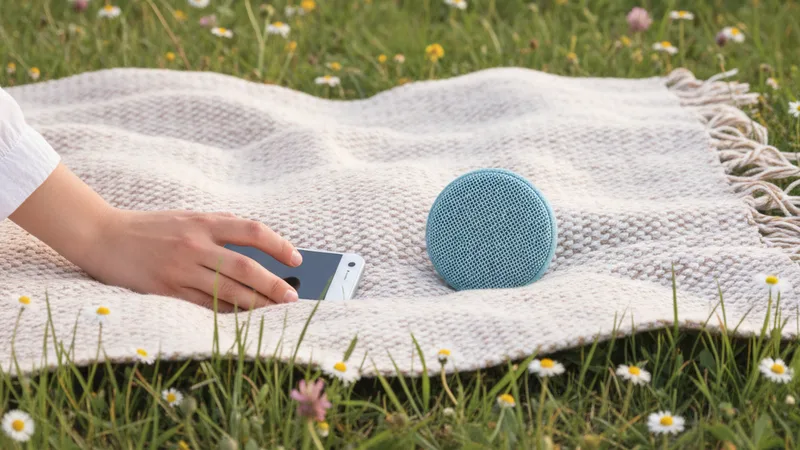
My friend Tom proposed to his now-fiancée on a clifftop outside Cascais last October. He had been working on the speech for three weeks. The morning of, he generated a one-minute thirty-five second AI track on his iPhone in the back of the rideshare — soft acoustic guitar, her name in the second line, one specific reference to the bookshop in Lisbon where they met, and a quiet outro that gave him exactly enough time to get the ring out without the music ending awkwardly. He played it through a small Bluetooth speaker hidden in his jacket pocket. She said yes before the bridge.
This is the case for AI proposal songs that nobody saw coming six months ago. The proposal itself is one of the few moments in life that gets staged with the same care as a wedding — but until 2024, the music for it was always borrowed. You used "their song" from the relationship, or you used a Spotify pick that millions of other couples had also used, or you proposed in silence. A custom AI track gives you a third option: a song that exists nowhere else, that names them specifically, and that runs the exact length of the moment you are about to live.
This guide is the workflow I have tested for generating AI proposal songs on iPhone — beach, restaurant, surprise-at-home, public-event, long-walk — in under five minutes per track. The prompt structure, the length and tempo math that actually matches a proposal, and the places where AI lands the moment versus where a borrowed song is still the right call.
Why the proposal song matters more than a playlist
A few specifics about proposal soundtracking that most people only think about after the fact:
The proposal is the single most-rewatched moment of the relationship. The video gets played at the engagement party, at the bridal shower, at the wedding rehearsal dinner, and on every anniversary for the next decade. The audio carrying that video does not just frame the moment — it becomes part of the memory itself.
Almost every proposal song right now is a borrowed song. "All of Me," "Perfect," "Marry Me," "I Choose You" — the same six tracks soundtrack roughly 80% of public proposal videos. They are beautiful songs, and they are also songs that hundreds of thousands of other couples are using for the exact same moment. The soundtrack does not name the relationship.
Length is a problem most couples do not solve until they are mid-proposal. A proposal speech is typically 45 to 90 seconds. The kneel-and-ask is another 15 to 30. A standard pop song runs 3 to 4 minutes. So either the song is fading in the wrong place, you are cutting it short, or the music runs after the moment ends and turns into ambient awkwardness. A custom AI track can be prompted to the exact length of the planned moment.
Until 2024, a custom proposal song meant hiring a singer-songwriter for $500 to $2,000 and trusting them with the most personal details of your relationship two months before you proposed. Most people skipped this entirely. AI music tools collapse the cost to roughly $35 for a year of app access and the time to under five minutes — without revealing the proposal to a stranger.
For more on personalization patterns broadly, the story to song AI guide covers how to turn a real shared memory into a track, which is the underlying skill the proposal song needs.
What a custom AI proposal song can do that a borrowed track cannot
The point of a custom proposal song is not better music — it is yours specifically. Five things AI proposal songs do that even the most beautiful Ed Sheeran cover cannot:
- Their name in the chorus, on the day you ask. Sung clearly, in a voice you chose, in the genre they actually listen to. The first time they hear their name in a song made for this moment is the moment you propose.
- The story of how you met, in one line. "You walked into the bookshop in Lisbon" lands. The room hears it. So do they, every time the video gets replayed.
- An exact length to match the moment. Prompt "one minute fifty seconds, soft outro fading over the last twenty seconds" and the AI builds toward that. You time the kneel to the end of the second chorus.
- A tempo that supports the speech. 70-80 bpm for sentimental quiet proposals. 88-96 bpm for joyful surprise-at-home proposals. The tempo carries the emotional pacing of the moment without overpowering it.
- No lyrical surprises. Commercial songs occasionally have verses about heartbreak, infidelity, or leaving — a generic risk that goes to zero when you wrote the lyrics yourself.
For the prompt-craft side, how to write AI song prompts that actually produce great music is the most useful companion read.
Step-by-step: a custom proposal song in Muziko, under five minutes
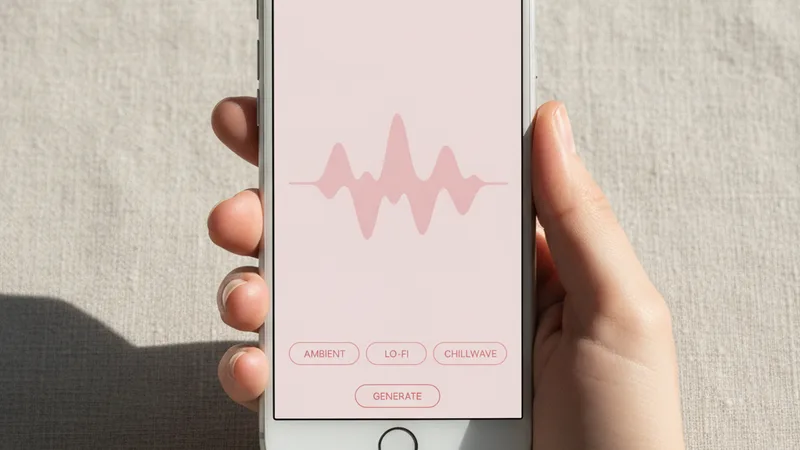
The workflow I have tested for two proposals in the last eight months — one beach, one indoor surprise. Total time on the most recent run was 4 minutes and 22 seconds from opening the app to having the final audio file.
1. Open Muziko and tap Create. Switch to Write Lyrics mode. Proposal songs need the partner's name and at least one shared specific memory in the lyrics, so this is the only mode that delivers.
2. Pick the genre. Acoustic ballad, soft pop, folk, and piano ballad are the four that consistently land for proposals. Avoid heavy electronic genres — they conflict with the speech rather than supporting it.
3. Pick a mood. Sentimental for most proposal tracks. Dreamy for soft outdoor proposals at sunset. Confident for surprise-at-home or surprise-at-event proposals where the energy is "I have been waiting to ask you this."
4. Write six to eight lines of lyrics. Structure that works for proposals: two lines about how you met or one specific shared memory, two lines repeating their name as a chorus, two to four lines about now and the question you are about to ask. Always specificity over sentiment.
5. Set the tempo and length. Proposal songs run 1:30 to 2:30 — long enough to carry the speech, short enough not to overstay. Prompt "one minute fifty seconds at 76 bpm, soft outro fading over the last twenty seconds" and the AI shapes the track toward that.
6. Generate four to six takes. Each generation runs 8 to 15 seconds in Muziko. Listen on headphones. Wedding-tier moments need to survive a Bluetooth speaker outdoors, and headphones reveal mix issues a phone speaker hides.
7. Save in the highest-quality format your app supports. Test the playback on the actual speaker you plan to use, in the actual location if possible. A track that sounds great in your living room can sound thin on a beach in wind.
For the full mobile workflow walkthrough, the AI song generator for iPhone 2026 guide covers each creation mode in depth.
Writing a proposal prompt that actually sounds like the moment

A working proposal prompt has six small ingredients. Skip any one of them and the track lands somewhere between "fine" and "generic Hallmark."
Their name, phonetic if unusual. Saoirse becomes Sersha in the lyrics. The AI reads phonetically — it does not need the official spelling, only how the name is pronounced.
One specific shared memory, written as one sentence. "You walked into the bookshop in Lisbon and asked if I had read the Pessoa." Specificity is the whole game. The recipient feels the line even when they cannot quite catch the words on first listen.
The genre, narrow and matched to them. "Acoustic ballad with fingerpicked guitar and a single piano figure on the bridge" is a usable direction. "Romantic music" produces hotel-lobby tracks every time.
The tempo, as a number. 72 bpm for soft sentimental. 80 bpm for warm mid-tempo. 88 bpm for joyful proposals. Vague directions like "slow" or "romantic" produce vague results.
The length, as minutes and seconds. Most proposals are 90 to 150 seconds of actual moment. Prompt the song to match — "one minute fifty seconds" or "two minutes flat" — and the AI shapes the build accordingly.
A vocal direction. "Solo male vocal, warm and intimate, with a single light female harmony in the chorus" or "solo female vocal, soft and breathy." The vocal carries the emotion of the moment more than any other element, and the AI default sometimes does not match the vibe.
A combined working prompt for a beach proposal at sunset:
"Acoustic ballad proposal song for Maya, 76 bpm, sentimental and dreamy, solo male vocal warm and intimate with one light female harmony in the chorus, fingerpicked acoustic guitar and a soft piano figure entering on the second verse, lyrics about meeting at the bookshop in Lisbon and walking the same coastal road four hundred times since, one minute fifty seconds, soft outro fading over the last fifteen seconds."
In testing, that prompt produces a usable proposal track in roughly three to five generations about 80% of the time. For more on iterating prompts toward a specific output, the perfect prompts breakdown covers the underlying patterns.
Matching proposal moment to genre and tempo: a starter chart

Proposal music is location-sensitive. A clifftop at sunset wants different energy than a surprise-at-home in your kitchen. A few patterns that consistently land:
| Proposal setting | Genre | Mood | Tempo | Length |
|---|---|---|---|---|
| Clifftop, beach, or scenic overlook at sunset | Acoustic ballad | Dreamy | 72-82 bpm | 1:45-2:15 |
| Restaurant, candlelit dinner | Piano ballad with strings | Sentimental | 70-78 bpm | 1:30-2:00 |
| Long walk, after-dinner stroll | Indie folk | Sentimental | 76-86 bpm | 1:45-2:15 |
| Surprise-at-home, living room | Soft pop or acoustic | Sentimental | 78-90 bpm | 1:30-2:00 |
| Public event, surprise on a stage | Singer-songwriter with strings | Confident | 82-92 bpm | 2:00-2:30 |
| Hiking summit or outdoor adventure | Indie folk with light percussion | Dreamy | 82-94 bpm | 1:45-2:15 |
| Hotel rooftop at dusk | Soft jazz or piano ballad | Sentimental | 70-80 bpm | 1:30-2:00 |
| Snowy or cold-weather proposal | Acoustic with warm strings | Sentimental | 74-84 bpm | 1:45-2:15 |
| Faith-based proposal, church or quiet sanctuary | Acoustic worship or gospel ballad | Sentimental | 70-82 bpm | 1:45-2:15 |
Pick the row that matches the setting. Layer the names and specific memory on top. Most modern AI music apps handle acoustic, pop, folk, classical piano, and jazz well. For the genre-by-genre quality breakdown across the major apps, the best AI music app for iPhone 2026 ranking covers what each handles best.
When AI proposal songs land — and when to use a borrowed track instead
Honest accounting of where AI proposal songs are the right tool and where a borrowed track is still the better call.
Land brilliantly:
- Proposals with a planned speech. A custom track gives the speech a tempo to ride on without an outside song fighting for emotional space. The lyrics quietly support what you are saying.
- Public proposals where the soundtrack becomes part of the video. A custom track is unique to the moment and to the relationship. Borrowed tracks read as generic when the video circulates.
- Long-distance proposals or surprise-at-the-airport reunions. The custom song carries the disproportionate emotional weight of months of distance better than a borrowed song can.
- Proposals where the couple does not have a clear "our song" already. If the relationship's defining song is unclear or contested, a custom AI track sidesteps the problem entirely — you write a song for the moment, and the moment becomes the new "our song."
- Surprise proposals at events. A friend's wedding rehearsal, a sports event, a family birthday — moments where the music was going to come from somewhere anyway are perfect for a custom AI track.
Use a borrowed track instead:
- When the relationship has an unambiguous "our song." If the couple has a song that already means everything — the song from the first dance, the song from the road trip, the song they argue about whether it is theirs or their friends' — use that song. The history matters more than the customization.
- When the partner has strong principled objections to AI-generated content. Proposals are not the place to introduce that conversation for the first time. If you know they have AI hesitations, use a borrowed track and write a long letter instead.
- When the proposal is in a religious or traditional context with strict music conventions. Some faiths or families require specific music for engagement moments. AI is not the right tool when the form is fixed.
- When the proposal is silent by design. Some of the best proposals have no music — just the speech, the question, and the answer. Do not force a soundtrack into a moment that does not want one.
For more on the rights and licensing edges of AI music for personal events, the can you sell AI-generated music legal guide covers what is and is not allowed across paid and free tiers. For the broader "how AI music works" introduction, the non-technical guide is the gentlest entry point.
Try this prompt right now
Open Muziko on iPhone, tap Create, switch to Write Lyrics, pick Acoustic genre and Sentimental mood, and paste these lyrics (replace Maya with the actual name, and the Lisbon line with your own specific memory):
"You walked into the bookshop in Lisbon, asked if I had read the Pessoa, and I lied, Maya, Maya, four hundred times along the same coastal road since then, Maya, the question I should have asked already, the question I am asking now."
Add the prompt note: "Acoustic ballad proposal song, 76 bpm, sentimental and dreamy, solo male vocal warm and intimate with one light female harmony in the chorus, fingerpicked acoustic guitar with a soft piano figure on the second verse, one minute fifty seconds, soft outro fading over the last fifteen seconds."
Generate four to six takes. Listen on headphones and on the actual speaker you plan to use. Pick the take where the name sounds clearest in the chorus and the outro fades at the right place for your kneel. Save in the highest-quality format your app offers.
In testing, this template produces a usable personalized proposal track in roughly five total generations about 80% of the time. For more on long-form personalization patterns, the text to song AI guide walks through turning any description into a track, and the AI wedding songs guide covers the natural follow-up — the first dance song for the wedding that comes after the yes.
Frequently asked questions
How long does it take to make a custom AI proposal song on iPhone?
Realistically, three to seven minutes from opening the app to having a final track exported. The workflow is: pick acoustic or soft pop genre, pick a sentimental or dreamy mood, write six to eight lines of lyrics with the partner's name and at least one specific shared memory, set the tempo (70-90 bpm for most proposal tracks) and length (1:30 to 2:30), generate four to six takes, and save the strongest one. First-time users should budget 10 to 15 minutes for the first track; after one or two songs the workflow consistently runs under five minutes.
Will an AI proposal song actually sound good through a small Bluetooth speaker?
Yes, when generated on a paid AI music app like Muziko Pro or Suno Pro and exported in the highest-quality format available. AI music tools in 2026 produce tracks at roughly the same mastering quality as streaming-platform commercial releases. The single most important step is to test the actual file on the actual speaker you plan to use, in the actual location if possible. A track that sounds great in your living room can sound thin outdoors in wind or on a small Bluetooth speaker. Test playback at least 24 hours before the proposal so you have time to regenerate if needed.
Can the AI sing the partner's name correctly?
Common English names (Maya, Jake, Sarah, Mike, Emma, Liam) are pronounced correctly on the first take about 95 percent of the time. Less common or non-English names sometimes get mispronounced on early generations. The fix is to spell the name phonetically in the lyrics field — Saoirse becomes Sersha, Aoife becomes Eefa, Caoimhe becomes Keeva. The AI reads the lyrics phonetically and does not need the official spelling, only how to pronounce the name. Generating six takes minimum for unusual names produces at least one clean pronunciation almost every time.
Should I tell my partner the song was AI-generated after the proposal?
Yes, eventually, and frame the lyrics as the meaningful part. Tell them you wrote the lyrics yourself (which you should — the specific memories and names should come from you, not from the AI) and that you used an AI music app to produce the audio. Most partners react positively when framed this way because the personal work is the lyrics, not the production. The AI part is the equivalent of using a recording studio instead of singing it yourself. Telling them within the first day or two avoids the awkwardness of it coming up later from someone else.
What if the song doesn't end at the right moment for the kneel?
Prompt the AI for a specific length and a soft outro. "One minute fifty seconds, soft outro fading over the last fifteen seconds" produces tracks that wind down predictably rather than ending abruptly. If the first generation runs slightly long, prompt with "one minute forty-five seconds" on the next attempt. As a backup, most music apps have a built-in fade-out option, and your iPhone's volume control can manually fade the track during the kneel if needed. Practice the timing once before the actual proposal so the music does not surprise you mid-speech.
Is it legal to use an AI proposal song in a video posted to social media?
Yes, when generated on the paid tier of a reputable AI music app like Muziko Pro at $34.99 per year, Suno Pro, or Udio Pro. The paid tier grants commercial and personal usage rights including posting the track to TikTok, Instagram, and YouTube. Free-tier generations are usually restricted to personal non-commercial use, which is fine for the proposal itself but can be restricted for the public social media post that follows. For proposals where you plan to post the video publicly, generate on the paid tier to keep all rights clean for both the moment and the social media that follows it.
Try everything you just read about. Muziko is free to download.