
![AI Indie Rock Generator: Authentic Guitar Tracks [Tested]](/_next/image?url=%2Fimages%2Fblog%2Fai-indie-rock-generator-authentic-guitar-tracks%2Fhero.webp&w=3840&q=75)
AI Indie Rock Generator: Authentic Guitar Tracks [Tested]
AI indie rock generator tested across lo-fi, shoegaze, and indie pop-rock on iPhone. Real guitar texture, band feel, honest results — Muziko in 5 minutes.
Indie rock has a specific problem that no other genre has quite as badly: everyone who listens to it also plays guitar.
That means the audience for AI-generated indie rock is uniquely critical. They know what a chorus pedal sounds like. They can hear when a guitar tone is too clean. They notice when the drums are perfectly quantized in a way that no human drummer in a practice space ever would be. The bedroom pop generation grew up recording four-track demos at 3 a.m. and they can smell fake authenticity from a track away.
I tested AI indie rock with all of this in mind. Two months of prompts across the genre's sprawling landscape — lo-fi bedroom pop, shoegaze, post-punk revival, indie pop-rock, emo, math rock, dream pop. Some of it failed exactly the way you'd expect. Some of it worked better than I thought it had any right to.
Here's the honest version.
Why generic rock loops fall short

Stock rock music has been bad for a long time, and the indie rock subset is particularly rough.
The guitar tone is always safe. Indie rock's identity lives in guitar tone — the specific jangle of a Telecaster through a clean amp, the wall of fuzz from a shoegaze pedalboard, the lo-fi saturation of a cassette four-track. Stock libraries use guitars that are recorded professionally, EQ'd to sound good on monitors, and mixed for maximum clarity. That's the opposite of what indie rock sounds like.
The drumming is too perfect. One of indie rock's defining characteristics — going back to the Velvet Underground, through Pavement, through The Strokes, through Waxahatchee — is drums that feel slightly human. A little rushed, a little loose, a snare that sounds like a person hitting it in a room rather than a sample triggered at exactly the right millisecond. Stock rock drums are perfectly quantized. They sound like a machine.
The energy arc is missing. Indie rock songs build. The verse is often sparse and close-mic'd, the chorus opens up into something bigger, the bridge goes somewhere unexpected. Stock loops don't have this — they're eight bars of the same energy level, looping.
Subgenres vary enormously. Shoegaze (My Bloody Valentine, Slowdive) sounds nothing like post-punk revival (Interpol, Editors) sounds nothing like indie pop-rock (Vampire Weekend, The 1975) sounds nothing like math rock (Toe, American Football) sounds nothing like emo (Dashboard Confessional, Modern Baseball). Lumping them together as "indie rock" produces nothing that sounds like any of them.
What custom AI indie rock adds
When you generate indie rock with specific prompts on Muziko, you get access to things the stock loop world can't provide:
- Subgenre and era specificity. "Early 2000s post-punk revival, Interpol influence" produces a completely different output than "1990s lo-fi bedroom pop, Pavement influence" or "2010s indie pop-rock, Vampire Weekend era."
- Guitar texture control. Jangly clean Telecaster, overdriven Jazzmaster, shoegaze wall-of-fuzz, chorus-drenched Dream Pop arpeggios, math-rock fingerpicking — specifiable, and the model responds.
- Drum feel. "Slightly loose live feel," "tight post-punk clipped snare," "lo-fi cassette drum sound," "driving indie rock kick pattern" — the drum feel changes the entire energy of the track.
- Song structure with dynamics. Specify "quiet verse, loud chorus, breakdown bridge" and the model usually delivers an arc. It's not always perfect, but it's far better than a loop.
- Vocal character. "Deadpan indie vocal," "breathy lo-fi," "shouted post-punk," "close-mic intimate," "layered harmonies" — each is a distinct prompt behavior.
- Production texture. "Lo-fi cassette four-track," "clean indie production," "dense shoegaze wall of sound," "sparse and dry, room sound only."
If you're working in the acoustic/folk direction, the AI folk generator guide covers that adjacent territory. Indie rock sits between folk's acoustic intimacy and the electronic production of bedroom pop.
Step-by-step in Muziko
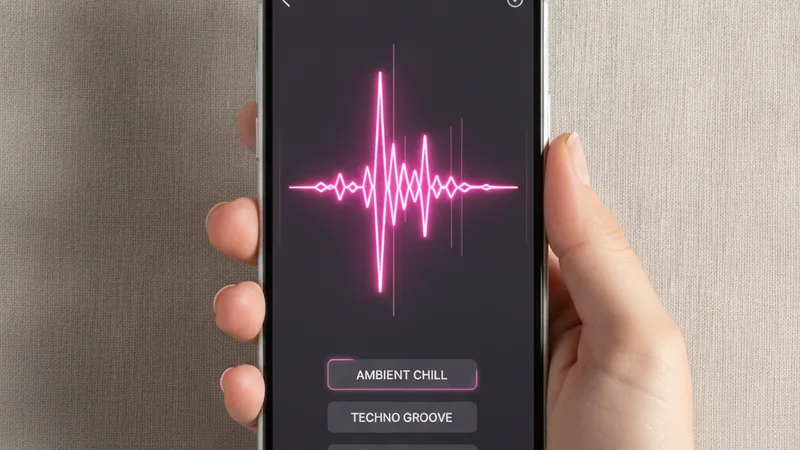
Here's exactly how I generated an indie rock track that held up on real speakers:
- Open Muziko, choose Describe or Write Lyrics. For instrumentals and background tracks, Describe gives you precise control over texture and arrangement. If you have lyrics written — or want to test a song idea — Write Lyrics mode fits them to a melody.
- Select Rock / Indie genre tag. Muziko's indie rock engine is distinct from both acoustic folk and from full rock/metal — use the correct tag or the guitar texture defaults will be wrong.
- Set mood to Melancholy, Raw, or Energetic. Melancholy pulls toward shoegaze, dream pop, and emo. Raw pulls toward lo-fi and post-punk. Energetic pulls toward indie pop-rock and driving guitar rock.
- Write a detailed prompt. Subgenre, guitar tone, drum feel, vocal character, production texture. All of it matters.
- Generate. 8-15 seconds.
- Listen to the guitar first. Is the tone right for the subgenre? Is it jangly, fuzzy, clean, saturated? If the guitar is wrong, nothing else can save the track.
- Check the drums second. Is the snare human-sounding? Is there any looseness in the feel, or is it perfectly quantized? Perfectly quantized is the main failure mode — add "slightly loose, live drumming" to your prompt to push against it.
- Regenerate two to four times. Guitar tone and drum feel vary run-to-run. Sometimes the third take has the exact chorus pedal shimmer or snare crack you need.
- Refine with targeted edits. "More chorus on the guitar," "tighter snare," "add a guitar lead in the second verse," "quieter verse, louder chorus," "add reverb to the vocals." Small additions shift things noticeably.
- Export and use. Indie rock works well as video soundtrack, demo reference, podcast background, or content music — especially since you own the result with Muziko Pro.
Writing the prompt that sounds like a band
Most people get generic, flat indie rock because their prompt describes a feeling rather than a sonic architecture. The prompts that produce something that sounds like an actual band in a room are built in layers.
Layer 1: Subgenre + era + reference. The single most important element. "Early 2000s post-punk revival, dark and angular, Interpol and Editors influence" sets everything — the guitar tone, the drum feel, the bass role, the vocal style. "1990s lo-fi indie rock, Pavement and Sebadoh influence, cassette four-track" sets a completely different aesthetic. "2010s indie pop-rock, jangly Telecaster, Vampire Weekend meets The 1975" different again. Pick one and commit.
Layer 2: Guitar specification. "Jangly clean Telecaster with chorus pedal" (jangle pop). "Overdriven Jazzmaster with feedback edges" (lo-fi, noise rock). "Layers of fuzz and reverb, wall-of-sound" (shoegaze). "Post-punk angular riff, tight and clipped" (post-punk). "Fingerpicked acoustic with electric overdub" (indie folk-rock). "Math rock interlocking guitar patterns" (math rock). One choice, described specifically.
Layer 3: Drum feel. This is the second most important element. "Slightly loose live drumming, human feel" vs. "tight clipped post-punk snare" vs. "lo-fi cassette drum sound with tape saturation" vs. "driving indie rock kick, straight pattern." Always push against perfect quantization — it's the main thing that makes AI rock sound fake.
Layer 4: Song structure. Indie rock is not a loop. Specify "quiet sparse verse, loud distorted chorus, breakdown bridge" or "building from sparse to full over four sections" or "steady driving energy throughout, no dynamics change." The model responds to structural instructions better than most people expect.
Layer 5: Vocals and production. "Deadpan indie vocal, slightly dry" (post-punk, lo-fi). "Dreamy layered vocal with reverb" (dream pop, shoegaze). "Close-mic intimate, breath audible" (bedroom pop). "Shouted and urgent" (emo, post-punk). "Lo-fi cassette four-track production" vs. "clean indie production with warmth" vs. "dense reverb-heavy mix."
Here's a post-punk revival prompt that consistently delivers:
"Early 2000s post-punk revival, 130 BPM, dark and angular, bass-forward with melodic bass line, tight clipped snare with crisp hi-hat, clean but cold guitar with chorus pedal on the verse, slightly overdriven in the chorus, deadpan baritone vocal, Interpol and Editors influence, dry production with subtle reverb"
And a shoegaze prompt:
"1990s shoegaze, slow 85 BPM, wall of fuzz and reverb from layered guitars, buried breathy vocal with heavy reverb, slow droning chord progression, hypnotic drum pattern with lots of cymbal wash, dense and overwhelming, My Bloody Valentine meets Slowdive"
Both produce convincingly subgenre-accurate outputs on consistent runs.
For building multi-section structures — verses, choruses, bridges — see the full prompt guide.
Indie rock subgenre chart
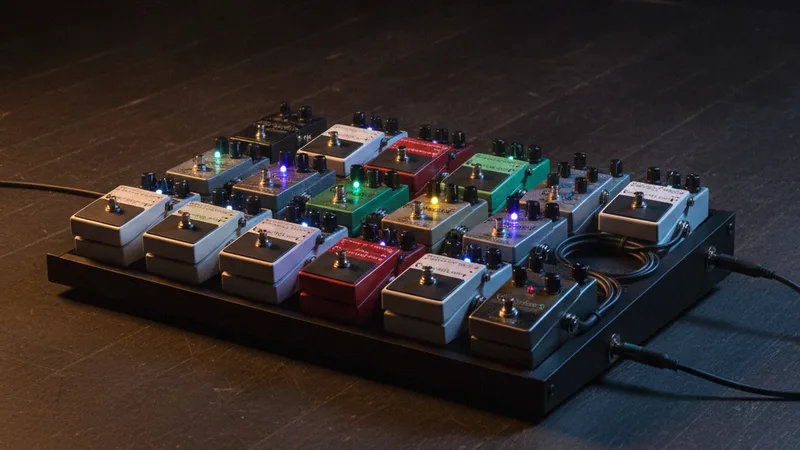
Two months of testing across the indie rock universe. Here's what consistently works:
| Subgenre | BPM | Guitar Tone | Drums | Vocals | Prompt Anchor |
|---|---|---|---|---|---|
| Post-punk revival | 125-145 | Cold clean with chorus / slight OD | Tight, clipped, driving | Deadpan baritone | "2001 post-punk, Interpol / Editors" |
| Shoegaze | 70-100 | Layers of fuzz and reverb | Slow, cymbal wash | Buried, dreamy, reverbed | "1991 shoegaze, MBV / Slowdive" |
| Lo-fi bedroom pop | 75-100 | Fuzzy or clean, lo-fi texture | Loose, cassette-sounding | Close-mic intimate | "1990s lo-fi, Pavement / Sebadoh" |
| Indie pop-rock | 100-130 | Jangly Telecaster, clean | Bright, driving | Clear melodic | "2010s indie pop, Vampire Weekend / The 1975" |
| Dream pop | 75-100 | Chorus-drenched arpeggios | Soft, reverbed | Ethereal, layered | "1988 dream pop, Cocteau Twins / Beach House" |
| Emo / indie emo | 110-140 | Overdriven, chord-heavy | Driving with dynamics | Emotional, earnest | "2000s emo, Dashboard / Modern Baseball" |
| Midwest emo / math rock | 90-120 | Interlocking clean fingerpicked | Complex, polyrhythmic | Quiet, precise | "American Football, Toe, Mineral" |
| Noise rock | 100-130 | Abrasive fuzz, feedback | Heavy and loose | Shouted or monotone | "1990s noise rock, Sonic Youth / Pixies" |
| Brit-pop | 115-135 | Jangly, melodic, Britishy | Snappy, Oasis-era | Melodic British | "1990s Britpop, Oasis / Blur / Pulp" |
| Indie folk-rock | 80-110 | Acoustic with electric overdub | Live and organic | Warm confessional | "2010s Americana indie, Fleet Foxes / Bon Iver" |
The clearest experiment: use the same lyric prompt with "post-punk revival Interpol" vs. "shoegaze My Bloody Valentine." The model produces completely different guitar tones, drum feels, and vocal treatments. One anchor, two entirely different songs.
When AI indie rock works, when it doesn't
It works when:
- You're a songwriter demoing a song idea before a proper recording session — the AI track gives bandmates something to react to
- You're making content (YouTube, documentary, vlog) and want original guitar-based music without stock library licensing
- You want to test how a lyric feels over different indie rock subgenres before committing
- You're in a band without a drummer and need a reference drum track for rehearsals
- You're exploring whether your song concept is more post-punk or shoegaze or indie pop before you spend studio time on it
It falls short when:
- The drums are too perfect. This is the most consistent failure in AI indie rock. Always add "slightly loose, human-feeling drumming" to every prompt. The model defaults to machine-quantized drums that immediately break the illusion.
- You need a specific amp and pedal combination. The model approximates tones but doesn't replicate specific gear chains. A real guitar player through a real amp is irreplaceable for the exact character of a specific sound.
- You need the song to breathe and evolve the way a real band does through a live take. AI indie rock sounds composed; real indie rock sounds like it happened.
- You need stems for proper mixing. Muziko outputs a stereo master. For stems, see the stem extraction guide.
- Math rock with genuinely complex time signatures. The model approximates math rock feel but genuine 7/8 into 5/4 polyrhythm is more luck than guarantee.
Compared to Suno and Udio: both handle indie rock with varying success. Suno tends toward a more polished indie pop sound. Muziko's lo-fi and shoegaze prompts produce more texture and grain. For the full comparison see Muziko vs Suno.
Try this prompt right now
Open Muziko, tap Describe, and paste this in:
"Early 2000s post-punk revival, 132 BPM, dark and angular, melodic bass line carrying the verse, tight clipped snare, clean cold guitar with slight chorus on the verse moving to light overdrive in the chorus, deadpan baritone vocal, slightly dry production with subtle room reverb, Interpol influence"
Generate four takes. On each one, listen to the snare — find the take where it sounds most like a person hitting a drum in a room. That's the keeper.
Open Muziko in the App Store →
Frequently asked questions
Can AI generate authentic indie rock music?
Yes, with specific subgenre prompts. The key is specifying guitar tone, drum feel, and an era reference rather than just "indie rock." The biggest pitfall is perfectly quantized drums — add "slightly loose, live-feeling drumming" to every prompt to push against the machine-precision default.
What is the difference between indie rock and indie pop in AI prompts?
Indie rock prompts emphasize guitar texture, drum feel, and band energy — heavier, grittier, guitar-forward. Indie pop prompts emphasize melody, lighter production, and hook clarity. In Muziko, they produce noticeably different guitar tones and arrangements. Specify which one you want and the era to get distinct results.
Can AI generate shoegaze music with a wall-of-sound effect?
Yes. Specify "shoegaze, wall of fuzz and reverb from layered guitars, buried breathy vocal, slow droning chord progression, My Bloody Valentine meets Slowdive" and the model produces a dense, reverb-heavy result that captures the texture. It's one of the more surprisingly successful AI subgenre generations.
Can I use AI indie rock for YouTube or podcast content?
Yes. With Muziko Pro you own commercial rights to the music you generate. YouTube's Content ID won't flag original AI-generated music. Indie rock works well for YouTube intros, podcast backgrounds, and video content that needs guitar-based music without licensing headaches. See the licensing guide for details.
Can AI generate lo-fi indie rock with cassette texture?
Yes. Add "lo-fi cassette four-track production, tape saturation, slight hiss" to a bedroom pop or indie rock prompt and the model pushes toward that lo-fi texture. The bedroom pop guide goes deeper on lo-fi production prompts.
How do I stop AI indie rock from sounding too polished?
Three prompt additions fix most polish issues: "slightly loose, human-feeling drumming" (fights quantization), "lo-fi or room recording texture" (fights studio sheen), and "imperfect guitar takes with natural dynamics" (fights clinical precision). Together they push the model toward something that sounds like a band in a practice space rather than a session recording.
Try everything you just read about. Muziko is free to download.
![AI Amapiano Generator: Log Drum Tracks [Tested 2026]](/_next/image?url=%2Fimages%2Fblog%2Fai-amapiano-generator-log-drum-tracks%2Fhero.webp&w=3840&q=75)
![AI Cinematic Music Generator: Trailer Scores [Tested]](/_next/image?url=%2Fimages%2Fblog%2Fai-cinematic-music-generator-trailer-scores%2Fhero.webp&w=3840&q=75)