
![AI Folk Generator: Acoustic Tracks That Feel Real [Tested]](/_next/image?url=%2Fimages%2Fblog%2Fai-folk-generator-acoustic-tracks-that-feel-real%2Fhero.webp&w=3840&q=75)
AI Folk Generator: Acoustic Tracks That Feel Real [Tested]
AI folk generator that makes warm acoustic folk songs on iPhone. Fingerpicked guitar, honest lyrics, real folk texture — tested on Muziko in 5 minutes.
My neighbor has been playing guitar on his porch every evening since he retired. Same three songs, same slight buzzing on the G string, same pause before the chorus where he exhales through his nose. I've heard those songs two hundred times. They still stop me on the way to my car.
That's the thing about folk music. It doesn't need to be perfect. It needs to feel like it means something to somebody.
I've been thinking about that porch whenever I test AI folk generators, because "meaning something" is the hardest thing to fake with generative models. Trap? The model generates a drum pattern and a 808. It's either heavy or it isn't. Folk? You can tell in three seconds whether it sounds lived-in or manufactured. The breath between the fingerpicked notes either happens or it doesn't.
So I ran serious tests. Not just one prompt, not just one app. I've been generating folk tracks for about two months across different subgenres, and what I found surprised me — in a good direction.
Why generic folk loops fall short

The free acoustic loops problem is different from the trap loops problem. Trap loops are overused. Folk loops are undercharacterized — they exist, but they sound like nobody.
Stock acoustic loops have no identity. Search "folk acoustic loop" on any stock site and you'll find impeccably recorded guitar that sounds like a TV show transition. Clean, properly EQ'd, with no personality. Folk music's power comes from character — the slightly sharp note, the room sound, the particular way a guitarist attacks the strings. Stock loops are sanded smooth.
The lyrics problem. Folk is a lyric-forward genre. People come to folk for the words. A backing track without lyrics is half a folk song. But if you write your own words and need music to fit them, stock acoustic beds rarely match the emotional tone. A track that sounds wistful when you download it suddenly sounds cheerful under a sad lyric.
Subgenres have real sonic differences. Appalachian folk sounds nothing like Laurel Canyon folk. Irish trad sounds nothing like contemporary indie folk. Nordic folk sounds nothing like delta-influenced American folk. Generic "acoustic folk" flattens all of that into the same open-chord strum pattern.
Royalty complexity for acoustic samples. Many "royalty-free" acoustic loops are performed by session musicians who retain neighboring rights. When your video gets traction, licensing conversations get complicated fast. I walked someone through this situation last year — it wasn't fun. Original AI-generated music sidesteps the whole thing.
What custom AI folk adds

When you generate folk with a prompt-driven app like Muziko, you get:
- Subgenre specificity. "Appalachian folk," "indie folk," "Celtic folk," "contemporary folk-pop," "old-time folk" — each produces a meaningfully different sound. The model has learned the tonal and rhythmic signatures of each tradition.
- Fingerpicking vs. strumming control. Specify "fingerpicked guitar" and you get arpeggiated picking. Specify "rhythmic strumming with capo" and you get a different texture entirely.
- Instrumentation choices. Banjo, fiddle, mandolin, lap steel, harmonica, upright bass, bodhrán — you can specify any of these and the model builds the arrangement around them.
- Matched lyrics. Write the words first, then generate the music around them in Write Lyrics mode. The model fits the melody to your syllable count and emotional arc.
- Honest imperfection. Good folk prompts produce music with the slight roughness that makes it feel human — room sound, natural decay, organic timing.
- Era targeting. "1960s Laurel Canyon folk" vs. "2020s indie folk" vs. "1940s Appalachian folk" produce different production textures even with similar instruments.
For comparison-shopping, I've also tested Suno and Udio on folk. They both handle folk reasonably well for web-based tools. The key differences are covered in the Muziko vs Suno comparison — the short version is that Muziko's shorter, faster generation cycle is better for iteration, which matters a lot in folk where subtle texture differences make or break the track.
Step-by-step in Muziko

Here's exactly how I generated the folk track I ended up using for a short documentary I was scoring this spring:
- Open Muziko, decide between Describe and Write Lyrics. For instrumentals and background music, use Describe. For songs with your own lyrics, use Write Lyrics — it's significantly better at folk because folk is about the words.
- Pick the Folk / Acoustic genre tag. Muziko separates folk from acoustic pop and singer-songwriter — they're distinct model behaviors. Folk gets more organic texture.
- Set mood to Melancholy, Peaceful, or Nostalgic. These three moods produce the most convincing folk output. "Happy" tends to push the model toward folk-pop, which is a different sound.
- Write a specific prompt. Not "folk song" — that gets you something generic. More on prompt craft below.
- If using Write Lyrics mode, paste your lyrics first. The model reads syllable structure and internal rhyme to fit the melody. Short verses work better than dense prose blocks.
- Generate. 8-15 seconds.
- Listen with full attention to the guitar attack. Does it sound like a person or a sample? That's the real test for folk. If it sounds like a sample loop, the prompt was too generic.
- Regenerate two or three times. Folk texture varies more run-to-run than electronic genres. The third take sometimes has the exact breath quality you want.
- Refine with small prompt edits. "More fingerpicking, less strumming," "add fiddle under the verse," "more room sound on the guitar." These are small edits but they shift things noticeably.
- Export and edit if needed. For documentary or video use, bring the file into your editor and trim the natural fade. For looping as background music, the organic decay means you'll want to crossfade at the loop point.
Writing the prompt that sounds lived-in
This is the difference between folk that sounds human and folk that sounds like a content mill.
Folk prompts need four things:
1. Subgenre + era anchor. "1960s Appalachian murder ballad" gives the model a historical and cultural anchor. "2010s Portland indie folk" gives a different one. "Irish trad session tune" different again. The model uses this anchor to pick instruments, tuning, tempo, and production texture.
2. Instrumentation. Folk is defined by its instruments. Be specific: "fingerpicked acoustic guitar with open D tuning and banjo counter-melody" or "Celtic fiddle and bodhrán with acoustic guitar rhythm" or "steel-string guitar, upright bass, and harmonica". One or two instruments is better than five — folk is sparse.
3. Vocal character. "Weathered male baritone with slight vibrato," "clear female folk soprano, sparse harmonies on the chorus," "no vocals, instrumental," "close-mic'd intimate voice, breath audible." The vocal description changes the whole emotional register.
4. Emotional anchor. "Sense of something left behind," "late-summer nostalgia," "road-worn hopefulness," "grief with dignity." Folk responds to emotional descriptors better than most genres because folk itself is emotionally anchored. Vague prompts produce vague songs.
Here's a working prompt I keep returning to:
"Contemporary American folk song, 90 BPM, fingerpicked acoustic guitar in open G tuning, upright bass entering in the second verse, weathered female voice with close-mic intimacy, lyrics about leaving a place and not being sure why, late-afternoon melancholy, no reverb excess, intimate room sound"
That prompt has produced eight distinct songs for me, each with different chord progressions and lyric interpretations. The shared quality: they all sound like someone means them.
For deeper work on prompt iteration — how to build multi-verse structure, guide melody, specify key — see my full AI prompt guide.
Folk subgenre chart
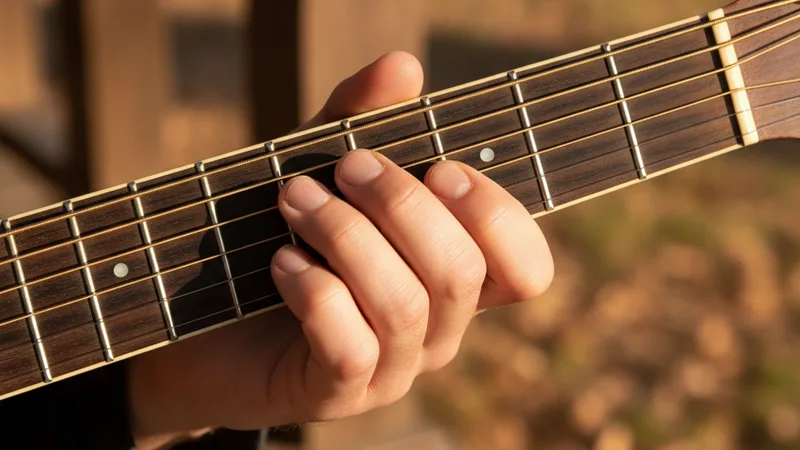
I've tested these subgenres specifically across two months of folk generation. Here's what produces the most consistent, convincing results:
| Subgenre | BPM | Core Instruments | Vocal Style | Prompt Anchor |
|---|---|---|---|---|
| Appalachian folk | 80-110 | Banjo, fiddle, acoustic guitar | Unpolished, harmony-heavy | "1940s Appalachian, close-knit community" |
| Laurel Canyon folk | 70-90 | 12-string guitar, piano | Breathy, melodic, 1970s mix | "1970s California, introspective" |
| Celtic / Irish trad | 100-130 | Tin whistle, fiddle, bodhrán | Traditional, often no lead vocal | "Irish trad session, dance rhythm" |
| Contemporary indie folk | 75-95 | Steel-string guitar, upright bass | Clear, confessional, close-mic | "2010s indie folk, intimate lyric" |
| Old-time Americana | 90-115 | Banjo, fiddle, washboard | Nasal, traditional | "old-time string band, front porch" |
| Scandinavian folk | 80-100 | Nyckelharpa, hardanger fiddle | Modal, minor key | "Nordic folk, winter landscape" |
| Folk-pop | 85-100 | Acoustic guitar, light drums | Polished, contemporary | "2020s folk-pop, radio-ready" |
| Delta folk-blues | 75-95 | Slide guitar, harmonica | Rough, expressive | "1930s Delta, field recording texture" |
| Scottish folk | 90-120 | Bagpipes, fiddle, guitar | Strong, outdoor feel | "Scottish highland, epic scale" |
| Protest folk | 80-100 | Acoustic guitar, harmonica | Clear diction, direct | "1960s civil rights era, Pete Seeger influence" |
| Folk-country | 85-105 | Acoustic guitar, pedal steel | Warm, Southern drawl | "Americana, rural storytelling" |
| Psychedelic folk | 70-85 | 12-string, sitar hints, reverb | Distant, dreamy | "1968 acid folk, Incredible String Band" |
The tip I keep giving people: test the difference between "Appalachian folk" and "contemporary indie folk" with the same lyric. The model produces completely different arrangements — banjo and fiddle in the first, steel-string and upright bass in the second. It's one of the cleanest demonstrations of how much the subgenre anchor matters.
When AI folk works, when it doesn't
It works when:
- You have a lyric and want music fitted around it — Write Lyrics mode is genuinely good at this
- You're making content (travel videos, documentary score, podcast intro) and want original acoustic music
- You need a birthday or anniversary song with a personal folk feel — that article goes deep on the occasion approach
- You're a songwriter using it to demo a melody before recording properly
- You want to try different folk subgenres quickly to find the right atmosphere for a project
It falls short when:
- You need Irish trad with actual breathed notes on the whistle. The model produces a convincing texture of Irish trad but isn't yet capturing micro-expression in woodwind playing.
- You need strict meter for poetry set to music. The model fits syllables to melody reasonably well but occasionally adds or drops a syllable in ways that jar if you're counting bars carefully.
- You want lo-fi vinyl warmth and crackle. For that, the lo-fi guide is the better starting point — lo-fi is a separate model behavior.
- The song needs a specific key for live performance with other musicians. The AI doesn't guarantee key, so check with an instrument before a jam session.
- Your lyrics have complex internal rhyme schemes. The model handles simple verse-chorus folk structures well, but dense lyric patterns sometimes produce awkward melodic leaps.
Compared to Suno, Udio, and similar tools: all three handle folk with some competence. In my testing, Muziko's intimate close-mic texture tends to sound more human on quiet folk, while Suno produces a more polished, slightly more radio-ready folk sound. Neither is objectively better — depends on the project.
Try this prompt right now
Open Muziko, tap Describe, and paste this in:
"Contemporary American folk song, 88 BPM, fingerpicked steel-string guitar with slight room sound, upright bass in the chorus, close-mic female vocal with subtle breath audible, lyrics about a long drive home, late-autumn nostalgia, no excess reverb, honest and intimate"
Generate four takes. Listen specifically to the guitar attack — find the one where it sounds like a person rather than a sample. That's your keeper.
Open Muziko in the App Store →
Frequently asked questions
Can AI generate folk music that sounds human?
Yes, with specific prompts. The key is specifying instrument texture (fingerpicked vs. strummed, room sound vs. studio dry), vocal character, and an emotional anchor. Generic prompts produce generic folk. Detailed prompts produce music that people genuinely ask about.
Is AI folk music good for videos and documentaries?
It's one of the strongest use cases. Documentary editors need original acoustic music constantly, and stock acoustic libraries are expensive and overused. AI folk generated with a documentary-appropriate prompt gives you original music you can license commercially with Muziko Pro.
Can I write my own lyrics and have AI set them to folk music?
Yes. Muziko's Write Lyrics mode takes your text and fits a melody around the syllable structure. Folk works well in this mode because folk melody tends to follow speech rhythm closely. Short, clear verse-chorus structures produce the most natural results.
What folk subgenre is easiest to generate with AI?
Contemporary indie folk and Laurel Canyon-style folk produce the most consistently convincing results. Celtic trad and Appalachian are harder because the micro-expression in traditional instruments is difficult to fully replicate — but the texture is still quite usable.
Can AI folk music be sold or licensed?
On Muziko Pro you retain commercial rights to music you generate. You can sell it, license it for video, or release it on streaming platforms. For the full breakdown of what you can and can't do commercially, see the AI music licensing guide.
How does AI folk compare to hiring a session guitarist?
A good session guitarist adds micro-expression, real room tone, and can take direction in real-time — things AI still can't fully match. For final commercial recordings, a human player is better. For demos, prototypes, video scores, and content, AI folk is faster and significantly cheaper.
Try everything you just read about. Muziko is free to download.
![AI Amapiano Generator: Log Drum Tracks [Tested 2026]](/_next/image?url=%2Fimages%2Fblog%2Fai-amapiano-generator-log-drum-tracks%2Fhero.webp&w=3840&q=75)

![AI Cinematic Music Generator: Trailer Scores [Tested]](/_next/image?url=%2Fimages%2Fblog%2Fai-cinematic-music-generator-trailer-scores%2Fhero.webp&w=3840&q=75)