
![AI Punk Generator: Raw Guitar Tracks That Actually Hit [Tested]](/_next/image?url=%2Fimages%2Fblog%2Fai-punk-generator-raw-guitar-tracks-that-actually-hit%2Fhero.webp&w=3840&q=75)
AI Punk Generator: Raw Guitar Tracks That Actually Hit [Tested]
AI punk generator tested across pop-punk, hardcore, and garage punk on iPhone. Real distorted guitar, driving drums, raw energy — Muziko in under 15 seconds.
I almost skipped testing punk for this series because I assumed it would be the easiest genre to get wrong in the most predictable way — AI tools tend to hear "punk" and hand you a polished pop-rock track with slightly more distortion than usual, which misses the entire point. Punk isn't defined by distortion pedal settings. It's defined by looseness, speed, and a certain amount of controlled sloppiness that most AI generators are trained to smooth out, not preserve.
So I ran the same test I've run on every other genre in this series: type "punk song" with nothing else and see what comes back, then compare it to a prompt that actually names the sub-style, tempo, and playing style. The gap between those two results was bigger for punk than almost any other genre I've tested, which is exactly why it's worth writing about.
Why the generic version of punk falls short

Generic AI punk tends to land on "pop-punk-lite" by default. You get palm-muted power chords, a clean vocal melody, and a chorus that sounds more like a Warped Tour also-ran than anything with actual edge. It's not wrong, exactly — it's just the safest, most sanded-down version of the genre.
The looseness gets ironed out. A huge part of punk's character is that it doesn't sound overly rehearsed — slightly rushed tempos, drums that push the beat, vocals that lean aggressive rather than polished. Generic output tends to quantize all of that away into something too tight and too clean.
Sub-styles get flattened into one sound. Hardcore punk, pop-punk, garage punk, ska-punk, and post-punk are genuinely different genres with different tempos, different vocal deliveries, and different instrumentation — but a vague "punk" prompt often returns the same mid-tempo pop-punk regardless of which one you actually wanted.
Vocal aggression gets softened. Punk vocals range from shouted and raw to melodic-but-urgent, and weak generators often default toward the melodic-and-safe end of that range because it's closer to what most training data associates with "song."
Tempo defaults too slow. A lot of punk — especially hardcore and early garage punk — lives well above 160 BPM. Generic tools trained mostly on mainstream pop tend to cap out in a much more moderate, radio-friendly range.
What custom AI punk adds
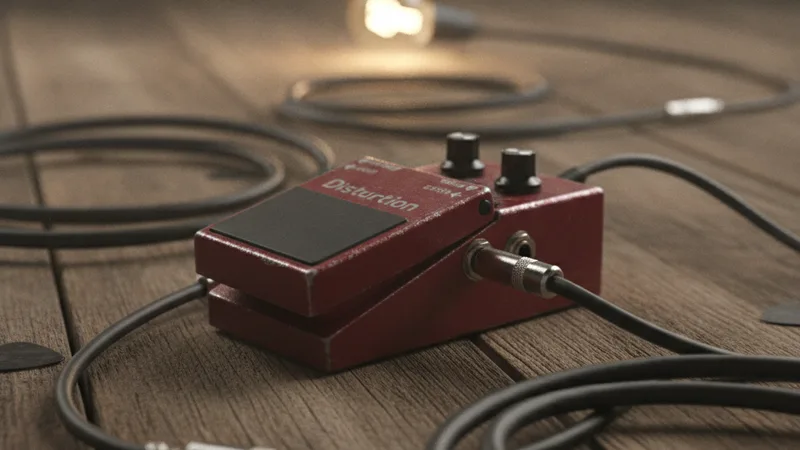
Naming the sub-style and playing technique instead of just saying "punk song" changes the output substantially:
- Correct tempo range for the sub-style — mid-tempo (140-160 BPM) for classic pop-punk, much faster (170-220+ BPM) for hardcore and thrash-adjacent punk.
- Real distorted guitar tone with actual attack — described as "driving, slightly overdriven power chords" rather than a generic clean rock guitar.
- Drums that push rather than sit back — a rushed, energetic feel instead of a metronomic pop-rock pocket.
- Vocal delivery matched to sub-style — shouted and raw for hardcore, melodic-but-urgent for pop-punk, deadpan and detached for post-punk.
- The right amount of "rough around the edges" — you can actually ask for a slightly looser, less polished feel, and a good generator will lean into that instead of correcting it.
- Bass that's audible and driving, not buried — punk basslines are often simple but prominent, driving the song alongside the guitar rather than sitting underneath it.
If you're new to shaping AI output with specific technical language, our guide on how to write AI song prompts that actually produce great music covers the naming-the-technique approach in more depth, and it applies directly here.
Step-by-step in Muziko
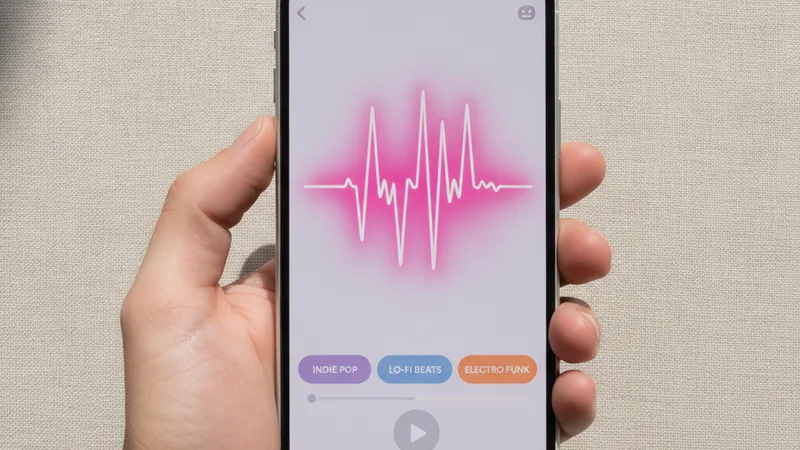
- Open Muziko and pick Describe mode for a quick instrumental-forward result, or Write Lyrics if you have specific shouted or sung lines you want included.
- Name the specific sub-style — pop-punk, hardcore punk, garage punk, ska-punk, or post-punk — instead of just "punk."
- Set an explicit tempo: 140-160 BPM for pop-punk, 170+ BPM for hardcore, 120-140 BPM for garage punk's looser, dirtier feel.
- Describe the guitar tone: "driving overdriven power chords" or "fuzzy garage-rock guitar" gets you closer than "punk guitar" alone.
- Specify vocal delivery: shouted and aggressive, melodic-but-urgent, or deadpan and detached, depending on sub-style.
- Call out the drums: "fast, energetic, slightly pushing the beat" signals the looseness that defines the genre.
- Add a mood tag — Muziko's library includes options like Energetic and Rebellious that pair naturally with punk's core attitude.
- Keep the arrangement simple in your prompt — punk doesn't need elaborate instrumentation description; simplicity is part of the sound.
- Generate — expect 8-15 seconds.
- Listen for energy first, polish second. If the track sounds too clean and controlled, that's the signal to push harder on "raw," "loose," or "slightly rushed" in your next prompt pass.
Writing the prompt that hits
The core lever for punk is naming the sub-style explicitly, because "punk" alone covers everything from three-chord pop-punk to blistering 220 BPM hardcore, and those genres want almost opposite treatment. Decide which one you actually want before you write the prompt.
The second lever is describing looseness as a feature, not a flaw. Most prompt-writing advice for other genres pushes toward precision and polish. Punk is the exception — phrases like "slightly rushed," "raw and unpolished," or "garage-recorded feel" genuinely help here, because they push the model away from its default toward-clean tendency.
Third: vocal delivery language matters more in punk than in almost any other genre. "Shouted, aggressive vocal delivery" produces a completely different result than "melodic vocal with an urgent edge" — both are legitimately punk, but they're not interchangeable, so be specific about which one you want.
Try combining all three: "Hardcore punk, fast and aggressive, 180 BPM, driving overdriven power chords, shouted raw vocal delivery, drums pushing the beat, raw unpolished garage-recorded feel."
Punk sub-style chart
| Sub-style | Tempo (BPM) | Guitar tone | Vocal delivery | Mood | Notes |
|---|---|---|---|---|---|
| Pop-punk | 140-165 | Bright, driving power chords | Melodic, urgent | Energetic, nostalgic | The most radio-friendly punk sub-style — think big singalong choruses |
| Hardcore punk | 170-220+ | Heavy, distorted, fast palm-muting | Shouted, aggressive | Intense, cathartic | Fastest and most abrasive of the mainstream punk sub-styles |
| Garage punk | 110-140 | Fuzzy, lo-fi, slightly loose | Raw, snotty | Rebellious, gritty | Deliberately rough — the least "produced" sounding sub-style |
| Post-punk | 100-130 | Angular, chorus-pedal clean tones | Deadpan, detached | Moody, cerebral | More atmospheric and bass-driven than other punk styles |
| Ska-punk | 150-180 | Upstroke-heavy with horn stabs | Energetic, shout-along | Fun, chaotic | Blends punk's speed with ska's offbeat rhythm section |
| Skate punk | 160-200 | Fast, tight, technical picking | Melodic-aggressive | High-energy, driving | Faster and more technical cousin of pop-punk |
| Riot grrrl / punk rock | 140-170 | Raw, driving power chords | Defiant, direct | Empowered, urgent | Politically charged, direct lyrical style |
| Emo-punk / emo | 120-150 | Melodic, sometimes clean-toned | Emotive, earnest | Vulnerable, intense | Slower and more melodically complex than straight punk |
| Anarcho-punk | 150-190 | Dense, distorted, driving | Shouted, political | Confrontational, urgent | Overtly political lyrical themes, DIY aesthetic |
| Surf-punk | 130-160 | Reverb-heavy, twangy | Playful, energetic | Fun, breezy | Blends punk speed with surf-rock guitar tone |
When it works, when it doesn't
Works:
- When you name the specific sub-style instead of a generic "punk" prompt, since the sub-styles genuinely diverge in tempo and tone.
- When you explicitly ask for looseness and rawness rather than polish — this is one of the rare genres where "less clean" is the correct instruction.
- For short, high-energy clips built for social platforms — punk's compressed, immediate energy suits 15-30 second formats well.
- For personal hype tracks, gym playlists with an aggressive edge, or DIY-feeling backing tracks for short video projects.
- When you're clear about vocal delivery upfront, since that single choice does more to define the sub-genre than almost any other instruction.
Falls short:
- If you want a genuinely chaotic, unpredictable live-band feel with real tempo fluctuation and human imperfection — AI output, even when asked for "raw," still tends toward more consistency than an actual garage band.
- For deeply politically specific lyrical content tied to a real movement or event — general defiant/rebellious themes work, but expect it to stay general rather than pointed.
- If you're chasing an extremely narrow, artist-specific sound — describe technique and sub-style instead, and expect an homage rather than a direct match.
- For long-form, multi-part hardcore tracks with breakdowns and tempo shifts — you'll get a strong loop-length section, not a fully arranged five-minute hardcore epic.
Suno and Udio both handle punk-adjacent output as well, and results vary the same way across all three tools — specificity in the prompt matters more than which app you use. If you're comparing platforms generally, our Muziko vs. Suno comparison is a useful starting point.
Try this prompt right now
Open the Muziko app, select Describe mode, and paste this: "Pop-punk, 150 BPM, driving overdriven power chords, melodic but urgent vocal delivery, energetic and slightly rebellious mood, big singalong chorus." Generate 3-4 takes and pay attention to whether the energy feels pushed and urgent rather than clean and controlled — that's the real tell for whether the prompt landed.
Frequently asked questions
Can AI actually make real punk music, or does it just add distortion to pop songs?
It depends heavily on the prompt. Generic requests for "punk song" often do default to a polished pop-punk-lite sound. Naming the specific sub-style (hardcore, garage punk, post-punk), setting an explicit fast tempo, and asking for raw or unpolished vocal delivery produces a much more authentic result.
What's the difference between pop-punk and hardcore punk?
Pop-punk is more melodic, moderately fast (140-165 BPM), and built around big singalong choruses with an urgent-but-melodic vocal style. Hardcore punk is faster (170-220+ BPM), more aggressive, and typically uses shouted rather than sung vocals with heavier, more distorted guitar tone.
What tempo should I use for an AI punk song?
It depends on the sub-style. Pop-punk sits around 140-165 BPM, garage punk and post-punk run slower at 100-140 BPM, and hardcore or skate punk push well above 170 BPM. Setting the BPM explicitly avoids the common issue of AI generators defaulting to a moderate, radio-safe tempo.
How do I get a rawer, less polished sound from an AI punk generator?
Explicitly ask for it — phrases like "raw and unpolished," "garage-recorded feel," or "drums slightly pushing the beat" push the model away from its default toward-clean tendency, which is otherwise strong in most AI music generators.
Can I use an AI punk song for a workout playlist?
Yes — punk's high tempo and aggressive energy work well for gym use, particularly skate punk or hardcore-leaning tracks in the 160-200 BPM range. See our guide on AI workout music for more on matching tempo to training intensity.
How is Muziko's punk output different from Suno or Udio?
All three tools can produce punk-adjacent output, and results depend heavily on prompt specificity across all of them. Muziko's advantage is the native iPhone workflow — Describe, Write Lyrics, and Story Mode creation paths with an 8-15 second generation time, which makes it fast to iterate through different punk sub-styles and tempos.
Try everything you just read about. Muziko is free to download.
![AI Metal Generator: Heavy Riffs That Actually Shred [Tested]](/_next/image?url=%2Fimages%2Fblog%2Fai-metal-generator-heavy-riffs-that-shred%2Fhero.webp&w=3840&q=75)
![AI Cinematic Music Generator: Trailer Scores [Tested]](/_next/image?url=%2Fimages%2Fblog%2Fai-cinematic-music-generator-trailer-scores%2Fhero.webp&w=3840&q=75)