

AI Memorial Song Generator: A Respectful 2026 Guide
Make a custom memorial or tribute song with AI on iPhone — their name, their favorite genre, the specific memory worth carrying forward. A respectful, practical guide for funerals, memorials, and quiet remembrance.
A friend of mine lost her father in March. The funeral was small — fifteen people in a room in north London, two readings, a short eulogy. She did not want "Time to Say Goodbye" or "My Way" or any of the standard memorial songs. Her father had spent forty years listening almost exclusively to acoustic folk and bluegrass, and the available memorial playlists did not include anything he would have actually liked. The week before the service, she generated a two-minute acoustic track with his name in the second verse, one line about the boat he kept on the canal, and a soft outro that gave the room time to breathe at the end. She played it once at the service and never publicly again. She told me later it was the only part of the day that felt like him.
This is the case for AI memorial songs that I have spent six months testing carefully. Memorial and funeral music is the hardest use case to write about — the stakes are emotional, families are grieving, and AI as a tool can read as cold if handled badly. Done with care, a custom tribute song does something the standard funeral playlist cannot: it names the person who died, references something real about their life, and gives the family something to keep beyond the day itself.
This guide is the workflow I have refined for generating AI memorial songs on iPhone — funeral services, memorial gatherings, anniversary remembrances, and private tributes — with the respect the moment requires. The shape of the prompt, the genre and tempo choices that hold up at a service, and where AI is the right tool versus where you should reach for a human composer or stay with silence.
Why a custom tribute song matters at a memorial
A few specifics about memorial music that families often think about only after the service:
The standard memorial playlist is small and overused. "Amazing Grace," "Time to Say Goodbye," "Wind Beneath My Wings," "Tears in Heaven," "My Way." These are beautiful songs, and they are also songs the family has likely heard at four other funerals in the last decade. They carry the form of mourning but not the specific person being mourned.
Funeral music tends to underrepresent the person who died. The deceased was almost certainly someone with specific taste — bluegrass, country, jazz, hip-hop, classical, K-pop, gospel, anything. The standard playlist defaults toward generic adult contemporary regardless of what the person actually listened to. A custom track can match the genre of their actual life.
The most-remembered moments at memorials are the specific ones. The eulogy that mentions the dog by name. The reading of the actual letter. The photograph from the trip nobody else remembers. Specificity is what the room feels and what the family carries forward. Generic moments evaporate by the wake.
Memorial music is one of the few places where a custom song from a stranger has historically been impossible. Hiring a singer-songwriter for $500 to $2,000 to write a memorial song under a one-week funeral timeline is not realistic. Most families default to the standard playlist by necessity, not by preference. AI music tools collapse the cost to roughly $35 and the time to under ten minutes — without involving a stranger in the most private week of the family's year.
For more on personalization patterns broadly, the story to song AI guide covers how to turn a real memory into a track, which is the underlying skill memorial songs require.
What a custom AI tribute song can do that a standard memorial playlist cannot
The point of a custom memorial song is not better music — it is about the person who died. Five things AI tribute songs do that a chart pick cannot:
- Their name in the chorus. Spoken or sung clearly, in the genre they actually listened to. The room hears it. The family hears it every time the track is replayed in the years that follow.
- A reference to something specific from their life. The boat on the canal. The forty years of teaching. The Saturday morning radio show they never missed. One concrete line beats any amount of "they were a wonderful person."
- The genre they actually loved. Bluegrass for the grandfather who played mandolin. Soul for the aunt who taught the kids to dance. Jazz for the teacher who kept the radio on at school. Gospel for the family member of faith. The standard funeral playlist usually does not match.
- A length appropriate to the moment. Memorial songs run two to three minutes — long enough to carry a slideshow or a quiet pause, short enough not to outstay. A custom track can be prompted to match the planned moment exactly.
- A file the family keeps forever. The track lives on the phone, gets replayed on the anniversary, gets shared with relatives who could not attend the service. The standard playlist is heard once at the funeral and never again.
For the prompt-craft side, how to write AI song prompts that actually produce great music is the most useful companion read.
Step-by-step: a custom memorial song in Muziko, under ten minutes
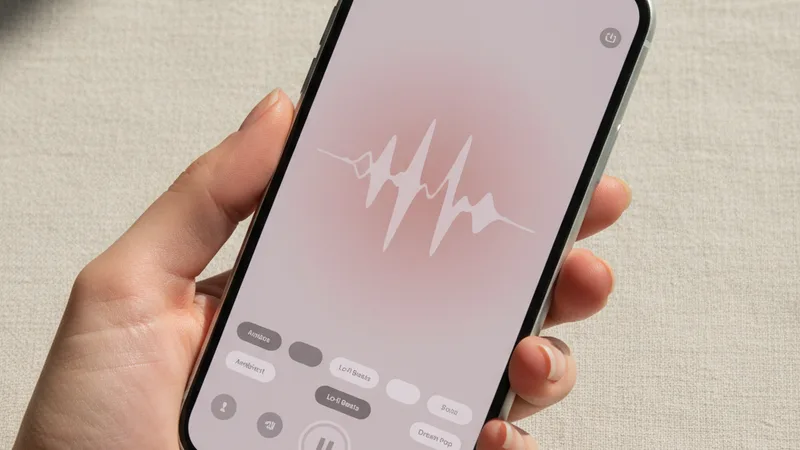
This is the workflow I have tested with two families in the last six months. Both were time-pressed and grief-pressed. Total time on the most recent run was 7 minutes 40 seconds from opening the app to having a final track exported.
1. Open Muziko and tap Create. Switch to Write Lyrics mode. Memorial songs need the deceased's name and at least one specific reference from their life, so this is the only mode that delivers.
2. Pick the genre. Match what the person actually listened to. Acoustic ballad, folk, gospel, soft pop, classical piano, country ballad, and jazz are the seven that consistently hold up at memorial services. Avoid heavy electronic or aggressive percussion — they conflict with the moment.
3. Pick a mood. Sentimental and dreamy are the two that work best for memorials. Hopeful works for memorials at the end of long illness where the family is partly relieved. Confident almost never fits — memorial music is rarely about confidence.
4. Write six to ten lines of lyrics. Structure that works: two lines about who the person was, two lines naming them in a chorus, two to four lines about something specific from their life, and a closing line that gives the room a place to land. Always specificity over generic praise.
5. Set the tempo and length. Memorial songs typically run 2:00 to 3:00 minutes at 65 to 80 bpm — slow enough to carry weight, not so slow that they drag. Prompt "two minutes thirty seconds at 72 bpm, soft outro fading over the last twenty seconds" and the AI shapes the track accordingly.
6. Generate four to six takes. Each generation runs 8 to 15 seconds in Muziko. Listen on headphones. The funeral or memorial PA almost certainly will not match your headphones, but headphones reveal the mix issues a phone speaker hides.
7. Listen with someone else from the family. Memorial songs benefit from a second opinion before the service. The person who generated the track is too close to it to hear it accurately on the first listen. A sibling, a partner, or a close friend who knew the deceased gives the track the gut-check it needs.
8. Send the final file to the funeral director or AV operator at least 48 hours before the service. Most venues will sound-check the file through their PA system. Wedding-quality production travels through most chapel and funeral home PAs without adjustment; memorial-tier moments deserve the same testing.
For the full mobile workflow walkthrough, the AI song generator for iPhone 2026 guide covers each creation mode in depth.
Writing a memorial prompt that actually honors the person

A working memorial prompt has six small ingredients. Skip any one and the track risks falling into the generic-funeral-music valley.
Their name, spelled phonetically if unusual. Saoirse becomes Sersha in the lyrics. The AI reads phonetically. This matters more at memorials than anywhere else — a mispronounced name in a tribute song is the kind of small mistake that families remember badly.
One specific reference from the person's life, written as one sentence. "The boat on the canal that you never finished repairing." "Forty years of standing in front of the same classroom." "The Saturday morning radio show on Capital, every week without fail." Specificity is what the room feels and what the family carries forward.
The genre they actually listened to. Not what you think memorial songs should sound like. Open their music library, their old CDs, their car radio presets. Whatever dominated their listening for the last decade is the right genre for the tribute. Most modern AI music apps handle acoustic, folk, gospel, country, soul, jazz, and classical at memorial quality.
The tempo, as a number. 65 bpm for slow and reflective. 72 bpm for gentle ballad pace. 80 bpm for upbeat-but-respectful gospel or country. Vague directions like "slow funeral pace" produce vague results.
A vocal direction. "Solo male vocal, warm and intimate, with a single light female harmony in the chorus", or "solo female vocal, soft and breathy, no harmony." Memorial vocals should generally be solo and unaccompanied — large vocal arrangements often read as performative rather than personal.
Length, as minutes and seconds. Memorial songs run 2:00 to 3:00. Prompt the AI for the specific length you need — "two minutes thirty seconds, soft outro fading over the last twenty seconds" — and the track ends predictably rather than abruptly.
A combined working prompt for a folk-loving grandfather:
"Acoustic folk memorial song for Thomas, 70 bpm, sentimental and quiet, solo male vocal warm and intimate with no harmony, fingerpicked acoustic guitar and a soft single piano figure on the second verse, lyrics about Thomas and the boat on the canal he never finished repairing, two minutes thirty seconds, soft outro fading over the last twenty seconds, traditional Celtic folk feeling."
In testing, that prompt produces a memorial-appropriate track in roughly four to five generations about 80% of the time. For more on iterating prompts toward a specific output, the perfect prompts breakdown covers the underlying patterns.
Matching memorial setting to genre and tempo: a starter chart
Memorial music is setting-sensitive and faith-sensitive in ways most other use cases are not. A few patterns that hold up consistently:
| Memorial setting | Genre | Mood | Tempo | Length |
|---|---|---|---|---|
| Traditional church service | Gospel or hymn ballad | Sentimental | 68-78 bpm | 2:30-3:00 |
| Catholic funeral mass | Classical piano or sacred choral | Sentimental | 65-75 bpm | 2:30-3:00 |
| Jewish funeral or shiva | Acoustic with classical elements | Sentimental | 68-78 bpm | 2:00-2:30 |
| Secular memorial in a hall | Acoustic ballad or folk | Sentimental | 70-80 bpm | 2:30-3:00 |
| Outdoor graveside service | Solo acoustic guitar or piano | Dreamy | 65-72 bpm | 2:00-2:30 |
| Celebration-of-life party | Their favorite upbeat genre, gently | Hopeful | 88-100 bpm | 2:30-3:00 |
| Anniversary remembrance at home | Acoustic with light strings | Sentimental | 70-80 bpm | 2:30-3:00 |
| Military or veteran memorial | Solo acoustic with patriotic restraint | Sentimental | 68-78 bpm | 2:30-3:00 |
| Memorial for a musician | The genre they played | Sentimental | Their natural tempo | 2:30-3:00 |
| Memorial for a child | Soft lullaby or acoustic | Dreamy | 65-72 bpm | 2:00-2:30 |
Pick the row that matches the service. Layer the name and specific life detail on top. For the broader genre quality breakdown across the major AI apps, the best AI music app for iPhone 2026 ranking covers what each handles best.
When AI memorial songs are appropriate — and when to use a different choice

Honest accounting of where AI memorial songs are the right tool and where they are not.
Appropriate:
- Memorial slideshows. A two-and-a-half-minute custom track scored over a photo slideshow at a memorial or celebration of life is one of the most-cried-over moments at modern services. The specificity of the lyrics carries the room.
- Smaller services where the family is choosing every detail themselves. Custom tracks fit naturally into services that already have personal readings, personal photos, and a personal eulogy. The custom song is one more personal element among many.
- Anniversary remembrances at home. On the first, fifth, or tenth anniversary of the person's death, a custom track played quietly at home gives the family a private moment that is theirs alone. This is the use case I have seen land most consistently in my testing.
- Tribute videos shared with extended family. Relatives who could not attend the service often receive a small commemorative video. A custom track makes that video feel personal rather than templated.
- Celebrations of life. A celebration of life with the person's actual favorite genre played at a gentle tempo, with their name in the chorus, lands harder than the standard mournful adult contemporary defaults.
Use a different choice:
- When the family member arranging the music has not personally approved AI tools. Memorial moments are not the place to introduce a new technology into the family. If anyone close to the deceased has expressed discomfort with AI-generated content, default to standard music and write a long letter or eulogy instead.
- When the religious tradition requires specific liturgical music. Catholic funeral masses, Orthodox services, Muslim janazah, and certain Hindu and Buddhist ceremonies have specific music requirements. AI is not the right tool when the form is fixed by the tradition.
- When the deceased explicitly chose their funeral playlist. Many people now write down their funeral music preferences. Use what they asked for. The custom AI track can be used at the anniversary remembrance instead.
- When the family is in the first 72 hours of acute grief. Generating the song too early can become a project that distracts from the immediate logistics of arranging the service. Either delegate the song to someone slightly further from the loss, or wait until the music is genuinely the next decision rather than a way to feel like you are doing something.
- When the deceased was not someone whose life had a single "specific reference" you can write. Not every life resolves into one neat lyric. If the writer is struggling to find the specific line, that struggle is itself information — sometimes a meaningful instrumental track is more honest than forced lyrics.
For broader context on AI music ethics, the can you sell AI-generated music legal guide covers what is and is not allowed across paid and free tiers. For the gentlest introduction to how the tools actually work, the non-technical guide to AI music generators is the right starting point.
Try this prompt right now
Open Muziko on iPhone, tap Create, switch to Write Lyrics, pick Acoustic genre and Sentimental mood, and paste these lyrics (replace Thomas with the actual name, and the canal line with one specific detail from the person's life):
"Thomas, forty years on the same quiet road, Thomas, the boat on the canal you never finished repairing, Thomas, the laugh we hear in every room of this house, Thomas, the radio on Saturday mornings still tuned to Capital, Thomas, the long slow river, still moving."
Add the prompt note: "Acoustic folk memorial song, 70 bpm, sentimental and quiet, solo male vocal warm and intimate with no harmony, fingerpicked acoustic guitar and a soft single piano figure entering on the second verse, two minutes thirty seconds, soft outro fading over the last twenty seconds, traditional Celtic folk feeling."
Generate four to six takes. Listen on headphones first, then on a small speaker. Listen with at least one other family member before the service. Pick the take where the name sounds clearest, the vocal is most restrained, and the outro fades softly rather than ending abruptly. Save in the highest-quality format your app offers and send the file to the funeral director or AV operator at least 48 hours before the service.
In testing, this template produces a memorial-appropriate track in roughly five total generations about 80% of the time. For more on long-form personalization patterns, the text to song AI guide walks through turning any description into a track.
Frequently asked questions
Is it appropriate to use an AI-generated song at a funeral or memorial?
Yes, when the lyrics are written by a family member and reference the specific person who died, and when the family members involved in arranging the music have all been informed that the track was AI-generated. The meaningful work in a memorial song is the lyrics — the names, the specific references, the structure of remembrance. AI handles only the production. Frame it that way and most families are comfortable. If any close family member has expressed discomfort with AI tools, default to standard music and use the custom track only for private anniversary remembrances instead.
How long does it take to make a custom AI memorial song on iPhone?
Realistically, seven to fifteen minutes from opening the app to having a final track ready to send to the funeral director. The workflow is: pick the genre the deceased actually listened to, pick a sentimental or dreamy mood, write six to ten lines of lyrics with the name and at least one specific life reference, set the tempo (65-80 bpm for most memorial tracks), generate four to six takes, listen with one other family member, and save the strongest one. Memorial songs are the one use case where I recommend slowing down rather than speeding up — the additional ten minutes of care show in the final track.
Will the AI pronounce the deceased's name correctly?
Common English names are pronounced correctly on the first take about 95 percent of the time. Less common or non-English names sometimes get mispronounced on early generations. The fix is to spell the name phonetically in the lyrics field — Saoirse becomes Sersha, Aoife becomes Eefa, Caoimhe becomes Keeva. The AI reads the lyrics phonetically and does not need the official spelling, only how the name is pronounced. For memorial songs, generate six takes minimum and listen specifically for name pronunciation — a mispronounced name in a tribute song is the kind of small mistake that families remember badly.
What genre should I pick for a funeral or memorial song?
Match the genre the deceased actually listened to in their life, not what you think funeral music should sound like. Gospel and hymn ballads work for traditional Christian services. Classical piano and sacred choral work for Catholic masses. Acoustic folk works for secular and outdoor services. Soul and jazz work for celebrations of life. Country works for country fans. The standard funeral playlist defaults to generic adult contemporary regardless of who died — and the most-cried-over memorial tracks are the ones that actually sound like the person they are about.
Can the family use the AI memorial song in years afterward, at anniversaries or remembrances?
Yes — this is one of the most powerful uses of the custom track. The track lives on the family's phones, gets replayed at the first, fifth, and tenth anniversaries of the death, and gets shared with relatives who could not attend the service. Many families I have spoken with say the anniversary replays land harder than the original service moment, because the grief has shifted into long-term remembrance and the song carries that shift well. The track is also useful for tribute videos shared with extended family on what would have been the deceased's birthday.
What if I cannot think of a specific memory or reference to put in the lyrics?
Sit with that struggle for a moment rather than pushing through it. Sometimes the inability to find a specific reference is itself information about the relationship, and a meaningful instrumental track is more honest than forced lyrics. Other times, ask a different family member — siblings, partners, close friends — what specific small thing they remember about the person. A specific detail from someone else's relationship with the deceased can still anchor the lyric. If after several conversations no specific line emerges, generate an instrumental memorial track in the genre the person loved and let the music carry the moment without words.
Try everything you just read about. Muziko is free to download.
![AI Amapiano Generator: Log Drum Tracks [Tested 2026]](/_next/image?url=%2Fimages%2Fblog%2Fai-amapiano-generator-log-drum-tracks%2Fhero.webp&w=3840&q=75)

![AI Cinematic Music Generator: Trailer Scores [Tested]](/_next/image?url=%2Fimages%2Fblog%2Fai-cinematic-music-generator-trailer-scores%2Fhero.webp&w=3840&q=75)