AI Sweet 16 Songs: Custom Anthems Teens Actually Like
Skip the awkward cake song. Custom AI Sweet 16 anthems with her name in the chorus and her actual taste — pop, trap, K-pop, hyperpop — generated on iPhone in 5 minutes.
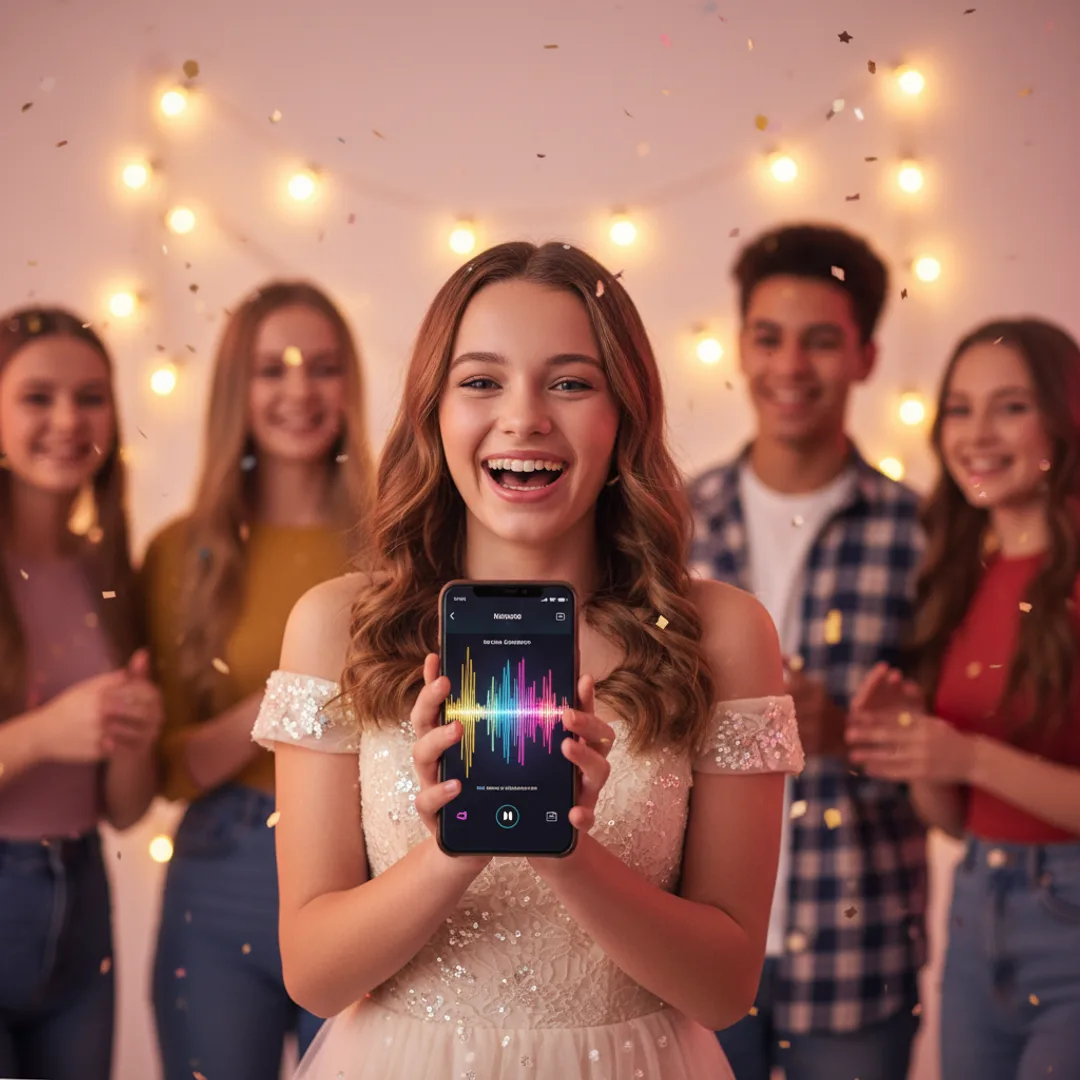
My niece turned sixteen last March. Her parents had been planning the party for months — small venue, twenty friends, photographer, the whole production. The one thing they couldn't crack was the music. The standard birthday rotation had her rolling her eyes; Happy Birthday sung at the cake was the moment she had specifically requested be kept short. Her mother generated a custom AI Sweet 16 anthem on her iPhone the morning of the party — hyperpop with trap drums at 128 BPM, her daughter's name in the chorus, one line about the obscure K-pop group she had been obsessed with since seventh grade. The track played when she walked in. Three of her friends asked who the artist was; one tried to find the song on Spotify. When her mother explained the song was custom-made, the daughter texted her later that night — "This was actually the best gift, don't tell dad."
This is the case for custom AI Sweet 16 songs that the teen-party industry hasn't built around. Teen birthday music has a specific problem: parents underestimate how saturated teens are with the music their parents pick. The standard playlist of "songs for a teenager's birthday" tends to skew toward what parents remember from their own teen years rather than what the actual teen listens to in 2026. A custom AI track in the teen's actual current genre — hyperpop, trap, K-pop, Phonk, indie pop, contemporary R&B — sidesteps the generational mismatch entirely.
This guide is the workflow for generating custom Sweet 16 anthems on iPhone. The genre choices that match what teens actually listen to in 2026, the lyric patterns that don't read as cringe to the recipient, the delivery approaches that avoid the public-performance pressure most teens hate, and the honest cases where a parent making a teen song still misses.
Why generic teen birthday gifts mostly land badly
A few specifics about teen birthday gifts that the cards-and-flowers industry hasn't caught up to.
Teens have higher cringe-detection than adults. A gift that reads as "what a parent thinks a teen would like" lands differently from a gift that reads as "what this specific teen actually likes." The standard teen-birthday catalog (Hallmark cards, generic playlists, generic flowers, jewelry from the mall) consistently reads as the former. Custom AI tracks tuned to the teen's actual current taste land as the latter — when the genre choice is correct.
Most parents have only an approximate sense of what their teen listens to. What you think your sixteen-year-old listens to and what they actually have on repeat in 2026 are often different. Their Spotify Wrapped will surprise you. Before generating a Sweet 16 anthem, check what their actual current top-listened genres are.
Music tastes among teens in 2026 have splintered. Hyperpop, Phonk, drill, K-pop, hyperpop-K-pop crossovers, modern R&B, indie pop, trap, Latin urbano, drift Phonk — the umbrella of "what teens listen to" is far wider than the umbrella of "what parents think teens listen to." Generic playlists average across all of this and end up serving none of it.
Public performance pressure is the worst part of teen birthday rituals. Most teens hate being made to stand in front of a room while the audience sings Happy Birthday and stares. The "everyone watch them open this gift" moment is similarly fraught. Custom AI Sweet 16 songs should be designed for private listening, not public performance — sent in a text, played in the car, dropped into the party playlist without announcement.
Custom songs about a specific teen were historically out of reach. Hiring a singer-songwriter to write a teen-specific track ran $400-2,000. Most families reasonably skipped it. AI music tools collapse the cost to $0.40 of subscription and 10-15 minutes per track.
For the broader gift-occasion AI music pattern, see the AI birthday song guide, AI graduation song guide, and AI Quinceañera guide.
What custom AI Sweet 16 tracks add
Five things custom AI Sweet 16 tracks do that generic teen-birthday songs cannot.
- Her name in the chorus, in the genre she actually listens to. Hyperpop with her name dropped twice. Trap with her name in the hook. K-pop crossover with her name in the bridge. The genre fits her current playlist, and the personalization registers.
- A reference to one specific obsession of hers. The K-pop group she has been following since seventh grade. The TikTok aesthetic she keeps recreating. The book series she rereads. The friend group she runs everything with. The specificity is what separates a generic teen song from a custom one.
- Lyrics in the language of how she talks, not how parents talk to teens. Teen slang, current cultural references, the actual way her friend group speaks. ChatGPT can help draft this if you're a parent who doesn't have access to current teen language naturally.
- A length that fits a real teen listening moment. 60-120 seconds. Short, punchy, TikTok-shareable rather than a full three-minute ballad. Teens consume music in shorter clips than adults do.
- A track she can share with her friends. If she likes it, she'll send the file to her friend group. The shareability is part of the gift's emotional payload.
For prompt-craft, how to write AI song prompts that actually produce great music is the most useful companion read.
Step-by-step: a Sweet 16 anthem in Muziko
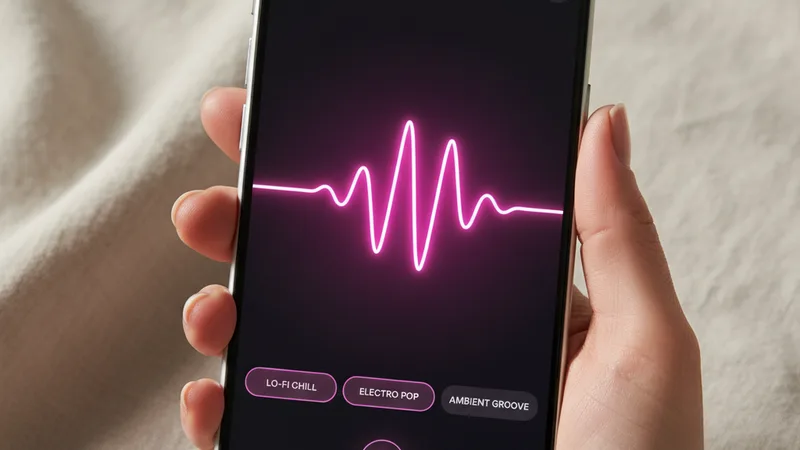
The workflow. Total time on a typical Sweet 16 track averages 10-15 minutes — slightly more if you need to research the teen's current taste first.
1. Verify her actual current taste. Before opening the app, check her Spotify Wrapped, her recent Spotify top tracks, her recent TikTok saves, or just ask. This is the highest-leverage research step — the wrong genre is the most common reason teen Sweet 16 tracks fall flat.
2. Open Muziko on iPhone or iPad. Switch to Write Lyrics mode.
3. Pick the genre — match her actual current taste. Hyperpop for hyperpop teens. Trap or modern hip-hop for hip-hop teens. K-pop or K-pop crossover for K-pop teens. Phonk for Phonk teens. Indie pop for indie pop teens. Modern R&B for R&B teens. Latin urbano for Latin music teens. Match what she actually listens to, not what you think she should listen to.
4. Pick a mood. Confident and euphoric for upbeat anthems. Playful for fun party tracks. Dreamy + sentimental for slower indie pop. Most Sweet 16 tracks lean confident — sixteen is the assertion year, not the reflection year.
5. Write four to six lines of lyrics. Keep it short. Two lines naming her, two lines about a specific obsession of hers, one or two lines as a hook. Teen songs work better short and punchy than long and narrative.
6. Set the tempo by genre. Hyperpop: 140-180 BPM. Trap: 130-150 BPM. K-pop: 100-125 BPM. Phonk: 130-150 BPM. Indie pop: 105-128 BPM. Modern R&B: 80-100 BPM. Latin urbano: 90-105 BPM.
7. Vocal direction matched to genre. "Solo female vocal aggressive hyperpop delivery with autotune and vocal chops" for hyperpop. "Solo female vocal modern Latin urbano delivery" for reggaeton. Match the vocal style to the genre's current conventions.
8. Add genre-specific production direction. "Distorted hyperpop drums with autotune chops and brat-pop aesthetic" for hyperpop. "Hard trap 808 with hi-hat rolls" for trap. Producer-level specificity helps the AI land the current sound.
9. Length. 60-120 seconds. Teens consume short tracks. Sweet 16 anthems work better at 90 seconds than 3 minutes.
10. Generate five to seven takes. Listen on actual earbuds or a Bluetooth speaker — not laptop speakers. Pick the take where the energy lands and the genre conventions feel current.
11. Decide on delivery. Options below.
For the full mobile workflow, the AI song generator for iPhone 2026 guide covers each creation mode in depth.
Writing lyrics that don't read as cringe to a sixteen-year-old
A working Sweet 16 lyric has five ingredients.
Her name, ideally without "sweet sixteen" framing. Calling out "sweet sixteen" repeatedly in the chorus reads as parent-coded and cringe. Use her name; let the "sixteen" reference be implicit or specific to the actual moment, not to the framing.
One specific obsession of hers, named precisely. The K-pop group. The specific TikTok creator. The aesthetic she's been working on. The friend group's inside joke. The book series she reread three times. The closer the lyric gets to what she actually obsesses about, the better the song lands. Generic "you're a star" lyrics produce generic eyerolls.
Language that sounds like her, not like a parent. "You're so cool, you're so brave" lands as parent-coded. "You been running the timeline, you been doing the most" lands as teen-coded. If you're a parent without access to current teen language, draft the lyrics with ChatGPT first asking for "modern teen language patterns" or have an older sibling or cousin help.
A reference to something she's good at, not just attributes. "You can sing" or "you can write" or "you can draw" lands better than "you're talented" — concrete skills land better than abstract praise.
A closing line that doesn't try to be sentimental. Most teen songs that work end on confident energy, not sentimental nostalgia. Save the nostalgia for an eighteenth-birthday song. Sweet 16 is the assertion year.
An example lyric set (hyperpop direction):
"Maya in the back of the polaroid, Maya like the timeline knows your name, Maya, Maya, Maya, you been running the playlist since seventh grade, Maya, Maya, Maya, the room is yours now."
That set has the name (Maya), one specific reference (polaroid — implying her aesthetic), one teen-coded line (timeline knows your name), one ongoing thing she's been doing (running the playlist since seventh grade), and a confident closing line (the room is yours now).
For more on lyric craft, the perfect prompts breakdown covers the underlying patterns.
Matching teen taste to Sweet 16 song type: a starter chart
Match the genre to her actual 2026 taste.
| Teen taste in 2026 | Genre | Tempo | Mood | Notes |
|---|---|---|---|---|
| Hyperpop / brat-pop | Hyperpop with autotune chops | 140-180 BPM | Confident + euphoric | Distorted drums, autotune, chaos-pop aesthetic |
| TikTok pop | Modern pop with hook focus | 110-125 BPM | Confident | Short, hook-heavy, shareable |
| Phonk / drift Phonk | Phonk with 808 cowbell | 130-150 BPM | Confident | Memphis sample aesthetic |
| Trap | Hard trap with 808s and hi-hat rolls | 130-150 BPM | Confident | Mainstream trap, dark mood |
| K-pop | K-pop with bilingual hook | 100-125 BPM | Confident + playful | K-pop production conventions |
| K-pop x hyperpop crossover | K-pop with hyperpop chops | 110-130 BPM | Confident + euphoric | Newest hybrid territory |
| Indie pop | Indie pop with light production | 105-125 BPM | Dreamy + playful | Bedroom-pop adjacent |
| Modern R&B | Soft R&B with sung vocal | 80-100 BPM | Sentimental + dreamy | For the chill teen |
| Drill (UK or NY) | Drill with sliding 808s | 140-150 BPM | Confident | For the drill-listening teen |
| Latin urbano | Reggaeton with modern dembow | 95-105 BPM | Confident + playful | For Latin teens |
| Bedroom pop / lo-fi | Bedroom pop with lo-fi production | 90-110 BPM | Dreamy | For the introvert teen |
| Country pop (younger Gen Z) | Modern country pop | 105-118 BPM | Playful + confident | Country teens, increasingly common |
| Rock revival | Modern rock with energetic guitar | 110-130 BPM | Confident | For the rock-revival teen |
| Anime / weeb adjacent | Cinematic synth-pop | 115-130 BPM | Confident + dreamy | For the anime-fan teen |
| Y2K nostalgia pop | 2000s-style pop revival | 110-125 BPM | Playful | Currently trending |
Pick the row matching her actual current taste. For the genre-specific production craft on each, see the AI EDM guide, AI reggaeton guide, AI K-pop generator guide, and AI rap generator guide.
Delivery: how to give the song without making it cringe
The single highest-impact delivery decision for teen tracks is avoiding the public-performance moment. Three approaches that work.
1. The private text the morning of the party. Send the audio file in iMessage at 9 a.m. with one line — "made you something." — and then don't follow up. She listens alone, has whatever reaction she has, and responds when she's ready. If she likes it, she'll send it to her friends. If she doesn't, you've avoided the public reaction pressure.
2. The party playlist drop without announcement. Add the custom track to the party playlist between two of her actual current favorites. Let it come on without announcement. She hears her name in the chorus mid-party and figures it out. Her friends figure it out next. The discovery is part of the gift.
3. The car gift while you're driving her somewhere. Play it casually in the car between two normal songs in the rotation. The privacy of the car softens the audience pressure, and she can react however she actually wants without being watched.
Avoid:
- The cake-time announcement. "Everyone listen, I made her a song" is the single worst delivery moment. Public performance pressure plus teen embarrassment risk is a brutal combination.
- The forced reaction moment. Don't hand her the phone with earbuds and expect her to react in real time while you watch.
- Posting to family social media before she's heard it. The reaction belongs to her, not to the aunts in the family group chat.
- The cringe genre mismatch. A parent's idea of "what teens like" mismatched with what she actually listens to in 2026 is the most cringe-creating mistake. Verify her taste first.
For related delivery patterns, see the AI birthday song delivery section and the AI Father's Day song delivery section.
Try the workflow
If a sixteenth birthday is coming up, the workflow takes 10-15 minutes once you've verified the teen's current taste.
Step 1: Check her Spotify Wrapped, recent top tracks, or just ask. Write down her current top genre and one specific obsession (group, creator, aesthetic, friend group).
Step 2: Open Muziko on iPhone or iPad. Switch to Write Lyrics mode.
Step 3: Pick the genre matching her actual taste (hyperpop, trap, K-pop, indie pop, etc.). Pick Confident mood for most tracks.
Step 4: Paste the lyrics (adjusted to her):
"Maya in the back of the polaroid, Maya like the timeline knows your name, Maya, Maya, Maya, you been running the playlist since seventh grade, Maya, Maya, Maya, the room is yours now."
Step 5: Add the prompt note (example for hyperpop):
"Hyperpop Sweet 16 anthem, 150 BPM, confident and euphoric mood, distorted hyperpop drums with autotune chops and brat-pop aesthetic, solo female vocal aggressive delivery with heavy autotune, vocal chops and pitched-up ad libs in the chorus, light synth pad on the verses, full drop on the chorus, ninety seconds total, clean ending."
Step 6: Generate five to seven takes. Listen on earbuds. Pick the take where the energy lands and the genre conventions feel current to 2026.
Step 7: Deliver via private iMessage on the morning of the party or drop into the party playlist without announcement. Don't watch her listen.
For related guides, see the AI birthday song guide, AI graduation song guide, and AI Quinceañera guide.
Frequently asked questions
What genre should I pick for a Sweet 16 song in 2026?
Match her actual current taste, not what you think teens listen to. Teen music tastes in 2026 have splintered across hyperpop, Phonk, drift Phonk, modern trap, K-pop, K-pop x hyperpop crossover, drill (UK or NY), indie pop, bedroom pop, modern R&B, Latin urbano, country pop, and Y2K nostalgia pop. Check her Spotify Wrapped, her recent top tracks, or her TikTok saves to verify what she actually has on repeat right now. The wrong genre is the single most common reason custom Sweet 16 tracks fall flat. If you're not sure, ask an older sibling, cousin, or friend who's closer to her current taste than you are. Most parents underestimate how often they're wrong about what their teen actually listens to in the current moment.
How long should a Sweet 16 song be?
60 to 120 seconds. Teens in 2026 consume music in shorter clips than adults — TikTok has trained the listening pattern toward short hook-heavy tracks rather than full three-minute songs. A 90-second Sweet 16 anthem with a strong chorus hits the current teen listening attention span. A three-minute ballad reads as long, and the back half often loses her interest before the chorus pays off. Most AI music apps can produce 60-120 second tracks easily. For Sweet 16 specifically, lean shorter rather than longer — punchy short tracks shared between friends generate more reactions than long sentimental tracks.
How do I avoid making the song cringe?
Three rules. First: match the genre to her actual current taste, verified from her Spotify or TikTok, not from your assumption about what teens like. Genre mismatch is the single most common cringe-trigger. Second: write the lyrics in teen-coded language, not parent-coded language. "You're so brave and beautiful" is parent-coded. "You been running the timeline" is teen-coded. If you don't have access to current teen language naturally, draft the lyrics with ChatGPT asking for modern teen language patterns. Third: avoid the "sweet sixteen" framing in the chorus — calling out "sweet sixteen sweet sixteen" repeatedly reads as Hallmark-coded. Use her name, let the sixteen reference be implicit. Combined, these three rules avoid roughly 80 percent of teen-song cringe risk.
When should I play the Sweet 16 song at the party?
Drop it into the party playlist without announcement, or send privately via iMessage the morning of the party. Don't make a public-announcement moment of it. Teen birthday parties already include several forced-attention moments (cake, gifts, speeches if there are any) and adding another one with "listen to the song I made you" creates more audience pressure than the moment can carry. The best delivery: send the audio file privately at 9 a.m. with one line ("made you something") and let her listen alone before the party. She arrives at the party already softened, can choose whether to share with friends, and avoids the public reaction pressure. Alternative: add the track to the party playlist between two of her actual favorites and let it come on mid-party — she discovers it during the music rotation rather than during a forced-attention moment.
What if my teen finds the song embarrassing?
Accept the feedback gracefully and don't push it. Teens have higher cringe-sensitivity than adults and sometimes the gift doesn't land regardless of how well-executed the song is. The most common reasons teens find Sweet 16 songs embarrassing: wrong genre for her current taste (most common), lyrics that read as parent-coded rather than teen-coded, forcing her to listen in front of an audience, posting to social media before she's privately reacted. If she finds the song embarrassing despite a good-faith effort, don't share it further, don't post it anywhere, don't insist she listen again. Take the feedback and move on. The song was a small gesture; teens are still figuring out their relationship to public emotional moments. The next year's birthday song can be more dialed-in based on what you learn from her reaction.
Can I make a Sweet 16 song for a teen who's not into popular music?
Yes, and these often land especially well because the personalization is more specific. Teens with niche music taste — anime soundtracks, video game music, classical, jazz, gospel, traditional regional music, indie folk, post-rock, experimental electronic — are usually delighted when someone notices and makes a track in their actual niche genre rather than defaulting to mainstream teen pop. The workflow is the same, but verify the niche genre carefully (the AI's interpretation of niche genres can vary) and generate more takes than usual to make sure the genre conventions land. For teens with unusual genre taste, a well-executed track in their actual niche reads as a sign that someone in their life actually pays attention to who they are — which is itself part of the gift.
Try everything you just read about. Muziko is free to download.