
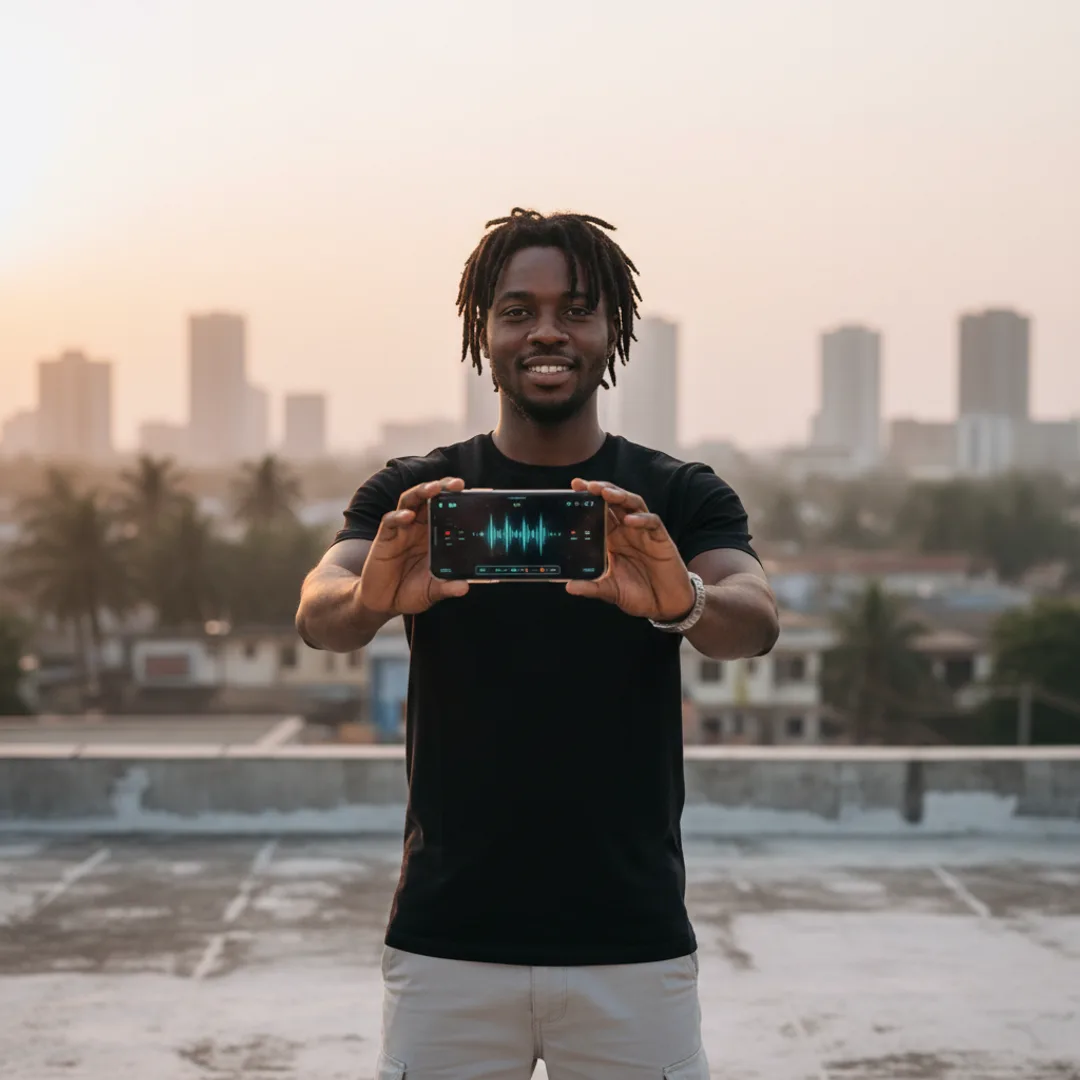
AI Afrobeats Generator: Make a Track on iPhone in 2026
Generate a modern afrobeats track with AI on iPhone — amapiano, Naija pop, alté, log-drum-led afrobeats, afro-fusion. Prompt templates that produce real afrobeats, not afro-flavored pop, in under five minutes.
Afrobeats is the genre that quietly took over global pop between 2022 and 2026. Burna Boy headlining stadiums. Tems winning Grammys. Tyla turning amapiano into a TikTok format. Rema doing collaborations with Selena Gomez. The Naija-led wave overtook K-pop in global streaming volume in 2025 and has not slowed. But for all the cultural weight, the genre has tight production conventions that most AI music apps default away from when given a generic "Afrobeats" or "African music" prompt. The result is usually afro-flavored pop with a few percussion sprinkles rather than actual log-drum-led modern afrobeats or amapiano.
This is the case for narrow afrobeats prompting that I have tested across about thirty-five generations. The log drum, the bouncy mid-tempo groove, the layered Yoruba/Pidgin/English phrasing, the soft vocal delivery sitting on top of busy percussion — these are the elements that read as afrobeats to actual fans. Generic Latin-tropical prompts produce tracks that read as world-music-stock to the audience that actually listens to Burna Boy and Asake.
This guide is the workflow I have refined for generating afrobeats on iPhone — modern Naija pop, amapiano, alté, afro-fusion, afrobeats ballads, and afro-trap crossovers — in under five minutes per track. The prompt templates that put log drums and percussion at the center, where AI lands the genre cleanly versus where it still reads as pop with kalimba sprinkles, and the honest limits of afrobeats generation in 2026.
Why generic Afrobeats prompts produce afro-flavored pop instead
A few specifics about modern afrobeats that almost no non-African listener fully thinks about:
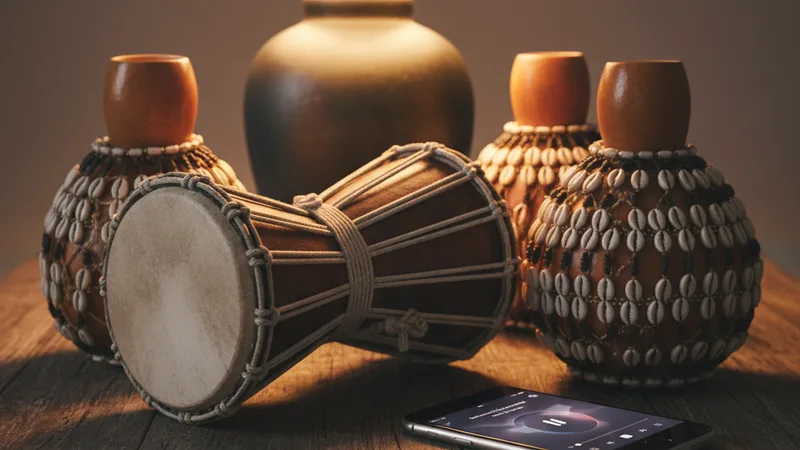
Afrobeats is a percussion-first genre. The rhythmic foundation is layered hand percussion (shekere, talking drum, congas, log drum, claves) sitting under programmed drum patterns. The percussion is the soul of the track; the synths and melodies are decoration. Most AI music apps default to drum-machine-led production with light Latin percussion sprinkled in — which is not afrobeats.
The log drum defines modern amapiano and afrobeats crossover. The deep, melodic log drum that became the signature sound of the amapiano-influenced wave (Tyla, Tems, Asake) has a specific contour — long sustained sub-bass notes with subtle pitch movement. Without explicit log drum direction, AI defaults toward generic 808 bass that misses the bounce.
Vocal delivery is its own discipline. Modern afrobeats vocals are soft, conversational, often half-sung half-spoken, with phrasing that floats around the beat rather than locking to it. AI generates pop vocal defaults that lock too tightly to the grid and lose the float.
Lyrical mix matters. Modern afrobeats uses code-switching across English, Pidgin English, Yoruba, Igbo, and other West African languages within the same track. AI generated lyrics from English prompts produce English-only tracks that lack the linguistic texture that gives afrobeats its identity.
Tempo conventions are bouncy and mid. Afrobeats lives at 100-115 bpm — slower than EDM and pop, faster than R&B. The bounce comes from the half-time feel of the percussion against the slightly faster vocal phrasing. AI gets this right when prompted, drifts wrong without it.
For the broader prompt-craft foundation, how to write AI song prompts that actually produce great music is the most useful companion read. For the afrobeats genre page, the overview covers Muziko's specific support.
What AI afrobeats gets right — and what it still misses
AI music apps in 2026 handle afrobeats at varying levels of competence depending on the subgenre. Honest accounting.
Gets right consistently:
- Modern Naija pop and afrobeats radio singles. The mainstream Naija pop production — bouncy 100-110 bpm, layered percussion, soft male or female lead, melodic hooks — is achievable on the second or third generation.
- Amapiano-influenced afrobeats with log drums. The Tyla / Tems / Asake-adjacent territory works well when log drum is named in the prompt.
- Afro-fusion with R&B and pop. Genre crossovers where afrobeats meets soulful R&B or pop production are AI's strength because the percussion sits more in the background.
- Afrobeats ballads and slower tracks. Soft afrobeats at 85-95 bpm with sparse percussion and emotive vocals lands cleanly.
- Afro-trap and afro-drill crossovers. Where afrobeats meets trap drum programming, AI hits the modern production aesthetic.
Still misses or inconsistent:
- Authentic talking drum and live percussion textures. The real instrumental textures of the Yoruba talking drum, the shekere, the traditional dùndún drum family — AI produces approximations that read as sampled rather than as live percussion.
- Alté and underground Nigerian indie. The genre-defying alté scene (CKay's early work, Lady Donli, Tay Iwar, Odunsi) resists easy categorization, and AI tends to default toward mainstream Naija pop when prompted for alté.
- Multilingual code-switching in vocal delivery. AI vocal generation produces English-only or single-language vocals; the code-switching between English, Pidgin, Yoruba, Igbo within a single track is not yet handled cleanly.
- Specific regional production styles. Lagos production, Ghana production (highlife-rooted), South African amapiano, Tanzanian bongo flava, Kenyan gengetone — each has region-specific conventions that AI tends to homogenize into a generic pan-African sound.
- Live drum and percussion programming with subtle feel variation. AI percussion tends toward quantized regularity; real afrobeats percussion has subtle micro-timing that gives the bounce its life.
For more on AI music quality across genres, the best AI music app for iPhone 2026 ranking covers what each major app handles best.
Step-by-step: a modern afrobeats track in Muziko
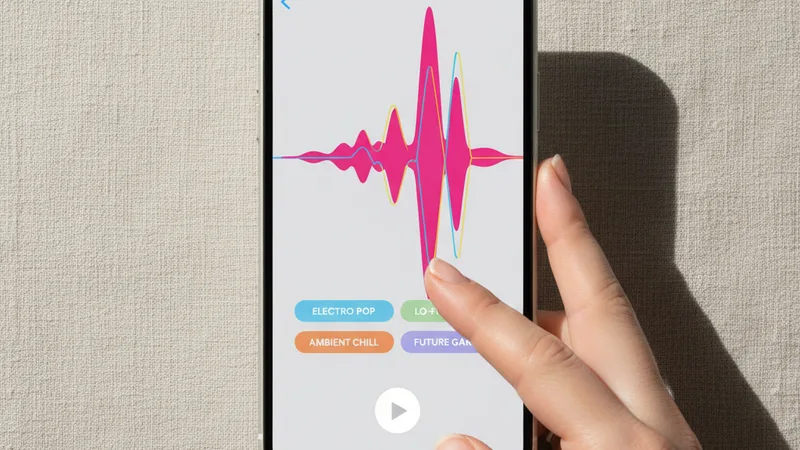
The workflow I have used for twelve test afrobeats tracks across subgenres. Total time on a successful run averages 5 minutes 10 seconds.
1. Open Muziko and tap Create. Switch to Write Lyrics mode for vocal tracks; Describe mode for instrumental afrobeats beats.
2. Pick the genre tag. Pick Afrobeats if available. If not, the closest tags are R&B (for afro-fusion) or Pop with explicit afrobeats redirection in the prompt.
3. Pick a mood. Playful and euphoric for upbeat Naija pop and party tracks. Sentimental for afrobeats ballads. Confident for amapiano-influenced crossovers. Dreamy for alté-adjacent territory.
4. Lead the prompt with percussion. "Modern afrobeats with layered hand percussion including shekere, congas, and light talking drum" should be the opening of the prompt. The percussion is the foundation; lead with it.
5. Name the log drum if going amapiano-influenced. "Deep melodic log drum bassline with sustained sub-bass notes and subtle pitch movement" for amapiano-style. Without this direction, AI defaults to standard 808.
6. Vocal direction matters. "Solo male vocal in the modern Naija style, soft conversational delivery, half-sung half-spoken phrasing that floats around the beat with light melodic ornamentation, lyrics mixing English and Pidgin" or female variant. The float around the beat is the key vocal direction.
7. Set the tempo. Afrobeats tempos: 100-110 bpm for mainstream Naija pop. 110-115 bpm for upbeat dance tracks. 85-95 bpm for ballads and slower afro-fusion. 105-115 bpm for amapiano-influenced crossover. The half-time bounce comes from the percussion against the tempo.
8. Generate four to six takes. Listen for: percussion clarity and layering, log drum presence, vocal float, bounce of the groove. Pick the take where the percussion sits forward and the vocal floats naturally.
For the full mobile workflow walkthrough, the AI song generator for iPhone 2026 guide covers each creation mode in depth.
Writing an afrobeats prompt that hits the genre conventions

A working afrobeats prompt has seven ingredients. Miss any one and the track lands as afro-flavored pop rather than as actual afrobeats.
The layered percussion, named explicitly. "Modern afrobeats with shekere, congas, light talking drum, and claves layered under the kick and snare pattern" anchors the production. The specific instruments named matter — generic "African percussion" produces vaguer results.
The subgenre. "Modern Naija pop in the 2024-2026 era" or "amapiano-influenced afrobeats with log drums" or "afro-fusion blending R&B and afrobeats" or "alté-adjacent indie afrobeats." Each routes the AI toward different production defaults.
The tempo, as a number. 105 bpm for Naija pop. 110 bpm for upbeat dance. 90 bpm for ballads. 108 bpm for amapiano-influenced. Match the tempo to the subgenre conventions.
The bass direction. "Deep melodic log drum bassline with sustained sub-bass notes" for amapiano. "Bouncy 808 bass moving with the chord changes" for modern Naija pop. "Warm fingered bass guitar with melodic movement" for afro-fusion.
The vocal direction. "Solo male vocal in the modern Naija style, soft conversational delivery, half-sung half-spoken phrasing floating around the beat, light melodic ornamentation, ad libs in Pidgin English throughout, lyrics mixing English and Pidgin." The vocal float is the second-biggest tell after percussion.
Lyric structure. "Lyrics mixing English and Pidgin English, conversational love-song theme, code-switching between languages on the chorus" for authentic Naija pop. "Lyrics in English with afrobeats-style phrasing" for crossover-pop English-language tracks.
Mastering for afrobeats playback. "Mastered for club playback with prominent low end, layered percussion, vocals sitting in the middle of the mix with light reverb, modern Lagos production aesthetic."
A combined working prompt for a modern Naija pop track:
"Modern Naija afrobeats with layered hand percussion including shekere, congas, light talking drum, and claves under a bouncy programmed kick and snare pattern, 105 bpm, playful and euphoric mood, deep melodic log drum bassline with sustained sub-bass notes and subtle pitch movement, solo male vocal in the modern Naija style with soft conversational half-sung half-spoken delivery that floats around the beat, light melodic ornamentation in the chorus, ad libs in Pidgin English throughout, lyrics mixing English and Pidgin about a Lagos summer night, two minutes forty seconds, mastered for club playback with prominent low end and layered percussion."
In testing, that prompt produces an afrobeats-grade track in roughly three to four generations about 80% of the time. For more on iterating prompts, the perfect prompts breakdown covers the underlying patterns.
Matching afrobeats subgenre to production conventions: a starter chart
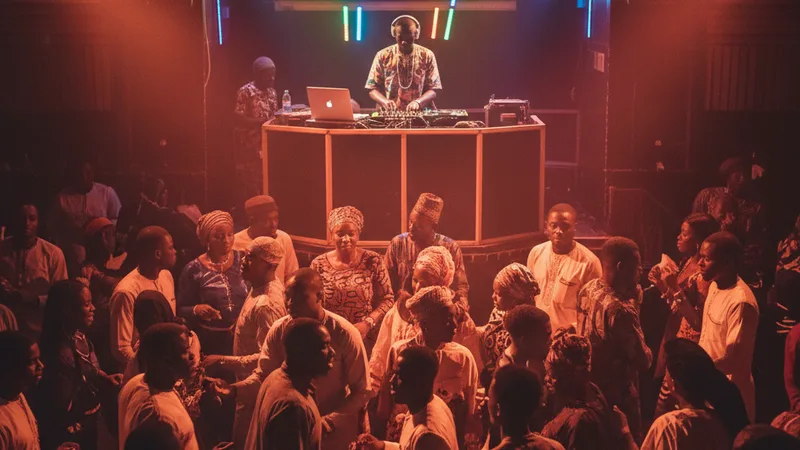
Afrobeats umbrella covers a wide range of subgenres with different production conventions. Patterns that consistently hold:
| Subgenre | Tempo | Drum/Percussion | Bass | Vocal | Mood |
|---|---|---|---|---|---|
| Modern Naija pop | 100-110 bpm | Layered hand percussion + programmed kick/snare | Bouncy 808 with melodic movement | Soft male/female, conversational | Playful |
| Amapiano-influenced | 105-115 bpm | Hand percussion + amapiano shaker patterns | Deep melodic log drum | Soft sung with light rap | Confident |
| Alté / indie afrobeats | 85-110 bpm | Sparse percussion, lo-fi textures | Soft electric bass or 808 | Dreamy soft male/female | Dreamy |
| Afro-fusion (R&B-leaning) | 85-100 bpm | Light percussion, R&B-influenced drums | Warm electric bass | Soulful sung | Sentimental |
| Afrobeats ballad | 80-95 bpm | Sparse hand percussion, soft drums | Soft melodic bass | Emotive sung | Sentimental |
| Highlife-rooted afrobeats | 95-110 bpm | Traditional highlife percussion + modern drums | Walking bass with afrobeat groove | Sung male lead | Playful |
| Afro-trap | 90-110 bpm | Trap-influenced hi-hats + afrobeats percussion | Heavy 808 with afrobeats movement | Rap with melodic hook | Confident |
| Afro-dancehall | 95-115 bpm | Dancehall feel + afro percussion | Dancehall-rooted bass | Patois-influenced phrasing | Confident |
| Afro-house / 3-step | 115-128 bpm | Four-on-the-floor + afro percussion | House bassline | Sung house vocals | Euphoric |
| Naija gospel-afrobeats | 95-115 bpm | Layered percussion + gospel arrangement | Bouncy 808 + organ | Sung gospel lead with choir | Sentimental |
Pick the row that matches what you want. Lock the tempo. Layer the subgenre-specific percussion, bass, and vocal direction on top. For the afrobeats genre page, Muziko's specific genre support is detailed there.
When AI afrobeats works — and when it still falls short
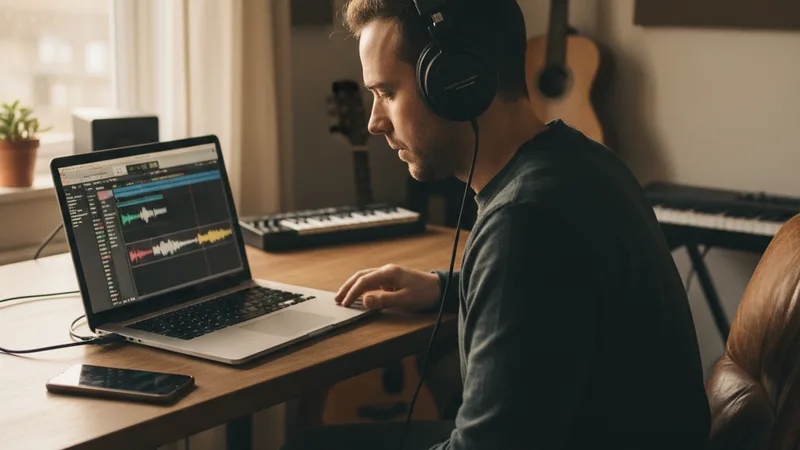
Honest accounting of where AI afrobeats is the right tool and where it still needs human work.
Works:
- Songwriter demos and beat prototypes for African songwriters. Lagos and Accra writers can use AI to generate beat ideas and rough toplines before booking studio time. The genre's tight production conventions mean a working AI demo communicates the song idea clearly.
- Custom personal afrobeats songs for personal events. Weddings, birthdays, anniversaries for African-diaspora couples or events where afrobeats is the right cultural fit. The genre's celebratory, name-friendly chorus structure works especially well for personalized tracks.
- TikTok and Instagram Reels background music. Afrobeats and amapiano dominate global short-form video audio trends. Custom AI afrobeats fits naturally into TikTok ecosystems.
- African brand commercials and sync licensing. Brands marketing to African and diaspora audiences need afrobeats-flavored sync music. AI fills the niche where stock libraries are very shallow.
- Cross-cultural pop crossovers. English-language pop tracks with afrobeats production elements (the Drake/Wizkid template, the Selena Gomez/Rema collab template) handle cleanly because the genre crossover is well-mapped.
Falls flat or carries risk:
- Serious artist releases meant for the Naija audience. The Lagos and broader African urbano audience is sophisticated. AI-generated afrobeats released as a serious artist single will receive critical scrutiny. AI is a tool for the production process, not a replacement for the artist's identity.
- Prompts that imitate specific African artists. "In the style of Burna Boy" or "in the style of Tems" or "in the style of Wizkid" prompts are prohibited in commercial AI music apps. Stay generic with subgenre and instrument directions.
- Lyrics with culturally specific Yoruba, Igbo, or Pidgin references. AI-generated multilingual lyrics tend to fall into surface-level code-switching that reads as inauthentic. For serious work, write the lyrics yourself or collaborate with a native speaker.
- Talking drum and live African percussion textures. When the track depends on the specific sound of a real talking drum or traditional African instruments, AI approximations fall short. Bring in a real percussionist for finished commercial work.
- Region-specific production. Lagos production, Accra production, Johannesburg amapiano production, Nairobi gengetone production each have specific conventions that AI homogenizes. For region-specific authenticity, work with a regional producer.
For the broader licensing context, the can you sell AI-generated music legal guide covers the rights and disclosure questions for commercial release.
Try this prompt right now
Open Muziko on iPhone, tap Create, switch to Write Lyrics, pick Afrobeats genre and Playful mood, and paste these lyrics (adjust the references to fit your purpose, write in Pidgin or English depending on your background):
"Baby for the long night, baby na you for me, Lagos summer, the rain go come pass, no wahala, no stress, na we two, every day I dey think about you, baby for the long night, the city dey wait."
Add the prompt note: "Modern Naija afrobeats with layered hand percussion including shekere, congas, light talking drum, and claves under a bouncy programmed kick and snare pattern, 105 bpm, playful and euphoric mood, deep melodic log drum bassline with sustained sub-bass notes and subtle pitch movement, solo male vocal in the modern Naija style with soft conversational half-sung half-spoken delivery that floats around the beat, light melodic ornamentation in the chorus, ad libs in Pidgin English throughout, two minutes forty seconds, mastered for club playback with prominent low end and layered percussion."
Generate four to six takes. Listen on club-style speakers or subwoofer-capable speakers — afrobeats lives or dies on the bass-percussion interaction, and laptop speakers hide that. Pick the take where the percussion sits forward, the log drum has movement, and the vocal floats with authentic Naija phrasing rather than locking too tightly to the grid.
In testing, this template produces an afrobeats-grade track in roughly four total generations about 80% of the time. For other genre how-tos in the same workflow style, the AI reggaeton guide and the AI country guide cover their respective production craft.
Frequently asked questions
Can AI really generate convincing afrobeats, or does it always sound like afro-flavored pop?
It depends entirely on subgenre and how specifically you prompt. Modern Naija pop, amapiano-influenced afrobeats, afro-fusion with R&B, afrobeats ballads, and afro-trap crossovers are achievable on the second or third generation in 2026 when you prompt explicitly for the layered hand percussion (shekere, congas, talking drum), the log drum bassline, and the floating vocal style. Generic "afrobeats" or "African music" prompts produce afro-flavored pop with a few percussion sprinkles. The single biggest factor is naming the specific percussion instruments and the log drum in the prompt — without those, AI defaults toward standard pop production with vague Latin-tropical flavoring.
What is the log drum and why does it matter for afrobeats?
The log drum is a deep, melodic sub-bass instrument that became the signature sound of the amapiano wave from South Africa, then crossed into mainstream afrobeats around 2021-2022. It has a specific contour — long sustained sub-bass notes with subtle pitch movement and a wooden, percussive attack — that distinguishes it from a standard 808 bass. The Tyla / Tems / Asake / Davido wave of crossover hits between 2023-2026 is largely defined by log drums under the percussion. When prompting AI for modern afrobeats, naming the log drum explicitly is the difference between a 2018-style afrobeats track and a 2026-style track. Without the log drum direction, AI defaults to generic 808 bass that misses the bounce.
Should I write afrobeats lyrics in English, Pidgin, or Yoruba/Igbo?
Match the language to your authentic background and your target audience. Native English-only afrobeats works for crossover pop (the Selena Gomez/Rema template). English with Pidgin English code-switching is the dominant Naija mainstream pop format (the Burna Boy / Wizkid template). English with Yoruba, Igbo, or other West African languages is the deeper Naija sound. If you do not speak Pidgin, Yoruba, or Igbo natively, write English lyrics with strong afrobeats phrasing rather than attempting code-switching that may read as inauthentic. AI-generated multilingual lyrics from English prompts tend to produce surface-level code-switching that reads as superficial; native or collaborator-written multilingual lyrics produce more authentic results.
What tempo should afrobeats be?
Modern afrobeats tempos are mid-range. Mainstream Naija pop runs 100-110 bpm. Amapiano-influenced afrobeats runs 105-115 bpm. Upbeat dance afrobeats runs 110-115 bpm. Afrobeats ballads run 80-95 bpm. Afro-fusion blending R&B runs 85-100 bpm. Afro-trap runs 90-110 bpm. Afro-house runs 115-128 bpm. The bounce of afrobeats comes from the half-time feel of the layered percussion against the slightly faster vocal phrasing — prompt the tempo as an exact number and direct the percussion to have a half-time bounce against the tempo. Vague tempo directions like "mid-tempo" produce vague results.
Is it legal to release AI afrobeats tracks on Spotify and Apple Music?
Yes, when generated on the paid tier of a reputable AI music app like Muziko Pro at $34.99 per year, Suno Pro, or Udio Pro. The paid tier grants commercial usage rights including release on Spotify, Apple Music, YouTube Music, and Amazon Music through distribution services like DistroKid or TuneCore. Disclose AI use where required — all major streaming platforms in 2026 ask for AI content disclosure on uploads. Free-tier generations are not licensed for commercial release. Never prompt the AI to imitate a specific living afrobeats artist's voice or style; the Naija scene has high-profile artists whose names should not appear in commercial prompts to avoid both legal and platform-policy issues.
Can AI afrobeats work for TikTok and amapiano dance trends?
Yes, when the track is generated on a paid tier with commercial rights. Afrobeats and amapiano are the dominant trending audio categories on TikTok in 2026 globally, especially the Tyla-influenced amapiano dance wave. Short-form video has lower production-quality bars than serious artist releases, and AI-generated afrobeats fits naturally into the TikTok audio ecosystem. The main risks are: claiming the track as a major artist release rather than as creator content, hiding the AI use in upload disclosure, and prompting the AI to imitate specific living afrobeats artists. Avoid those three things and AI afrobeats works well for short-form video content.
Try everything you just read about. Muziko is free to download.
![AI Amapiano Generator: Log Drum Tracks [Tested 2026]](/_next/image?url=%2Fimages%2Fblog%2Fai-amapiano-generator-log-drum-tracks%2Fhero.webp&w=3840&q=75)
![AI Cinematic Music Generator: Trailer Scores [Tested]](/_next/image?url=%2Fimages%2Fblog%2Fai-cinematic-music-generator-trailer-scores%2Fhero.webp&w=3840&q=75)