AI Valentine's Day Songs: Custom Love Better Than Cards
Skip another printed card. Custom AI Valentine's Day songs with your partner's name in the chorus and your story in the lyrics — generated on iPhone in 5 minutes.
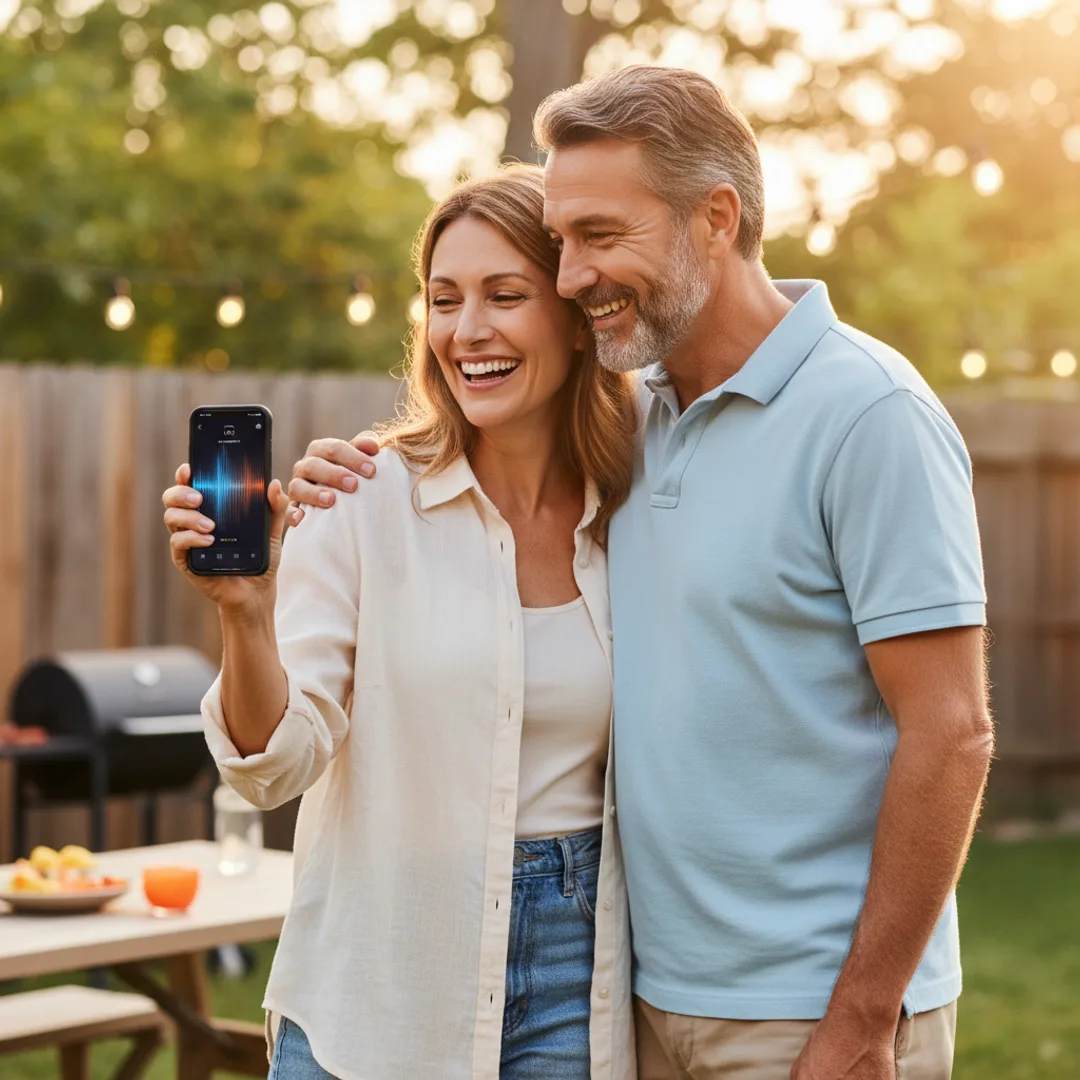
I have stopped buying Valentine's Day cards. Not because I'm against the gesture, but because the cards mean less every year I add one to the stack — Hallmark writers wrote them, I signed them, my partner read them once, and they sit in a drawer with the previous twelve. Last February I generated a custom AI track on my iPhone the morning of Valentine's Day instead. Mid-tempo acoustic, my partner's name in the chorus twice, one line about the wrong-train trip to Lisbon in 2023 that turned into our best weekend, two minutes thirty seconds, soft outro fading into silence. Sent it via iMessage at 8 a.m. The reply came back forty-five minutes later — a voice memo of him crying in his car on the way to work. The card I bought him in 2024 produced no equivalent reaction.
This is the case for custom AI Valentine's Day songs that the printed-card industry hasn't caught up to. Valentine's gifts in 2026 sit in a narrow band — cards, flowers, chocolates, jewelry, dinner reservations. They are conventional and they are forgettable specifically because they are conventional. A custom AI track is the rare Valentine's gift that names your actual partner, references your actual relationship, and exists nowhere else. The marginal cost is roughly nothing. The marginal emotional traction is meaningfully higher than the average gift in the category.
This guide is the workflow for generating custom Valentine's Day tracks on iPhone in time for February 14, 2027 (or any random Tuesday — Valentine's Day works as an excuse, but a custom love song doesn't actually need February to land). The prompt patterns that produce tracks that hit emotionally rather than glance off, the genre and tempo choices that fit different relationship stages, and the delivery methods that work for partners who don't perform emotional reactions easily.
Why printed Valentine's gifts mostly run out
A few specifics about Valentine's Day gifts that the seasonal marketing avoids.
The standard Valentine's gift list is small and overused. Cards. Flowers. Chocolates. Jewelry. Dinner reservation. Lingerie. Each item has its place; collectively they form a tight loop that most relationships cycle through year after year.
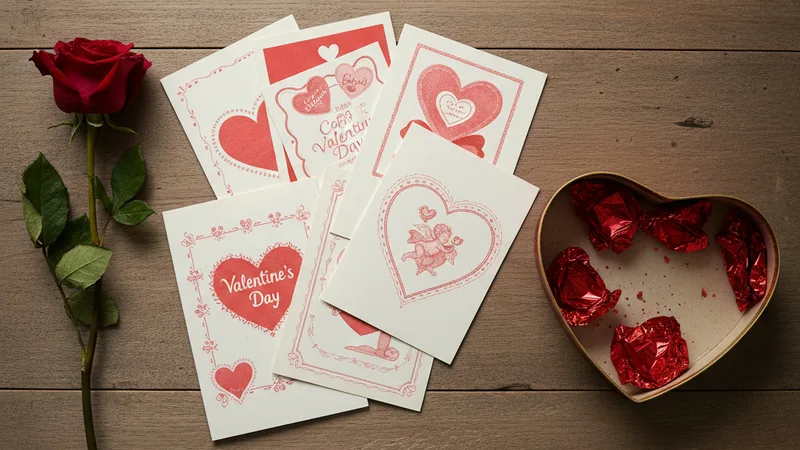
Cards are pre-written by strangers. Hallmark's writers produce the actual content of Valentine's cards. You sign your name at the bottom. The card's meaning depends entirely on the relationship the reader brings to it — the words themselves are generic by construction. Sincere customizations in the margins help, but the cards still read as half-personalized.
Flowers wilt in seven days. Most cut roses peak on day three and have visibly turned by day seven. The thing you gave your partner is gone within a week. The thing the marketing implies you gave (eternal love) doesn't match the physical timeline.
Custom love songs were historically expensive. Hiring a singer-songwriter to write a track for your partner ran $400-2,000. Two to six weeks turnaround. Required you to coordinate with a stranger about the most personal parts of your relationship. Most couples reasonably skipped it.
AI music tools collapse the cost stack. A custom AI Valentine's track on a paid app costs the marginal $0.40 of subscription divided across the use. Generates in 5-10 minutes. The specificity beats every greeting card in the aisle.
For the broader gift-occasion AI music pattern, see the AI anniversary song guide which covers the closely related anniversary use case, and the AI proposal song guide for the soundtracking-relationship-moments parallel.
What custom AI Valentine's Day songs do that cards can't
Five things custom AI Valentine's Day songs do that pre-printed cards cannot match.
- Your partner's name in the chorus. Sung clearly, twice or three times, in the genre they actually listen to. Not "you" or "my love" generically — their name.
- One specific shared memory in the lyrics. "The wrong-train trip to Lisbon in 2023." "The summer your sister got married and we slept on the floor." "The morning you finally let me make the eggs." The specificity is what carries the song.
- The genre that matches your partner's actual taste. Acoustic for the singer-songwriter partner. R&B for the soul-music partner. Indie pop for the contemporary partner. Country for the country partner. Jazz for the jazz partner.
- A length that fits a real Valentine's moment. Two to three minutes. Long enough to be a song, short enough not to feel like a performance you're forcing on them.
- A track that lives on their phone forever. Cards go in drawers. Flowers wilt. The custom song stays in their library and gets replayed on quiet evenings for years.
For prompt-craft, how to write AI song prompts that actually produce great music is the most useful companion read.
Step-by-step: a Valentine's Day track in Muziko
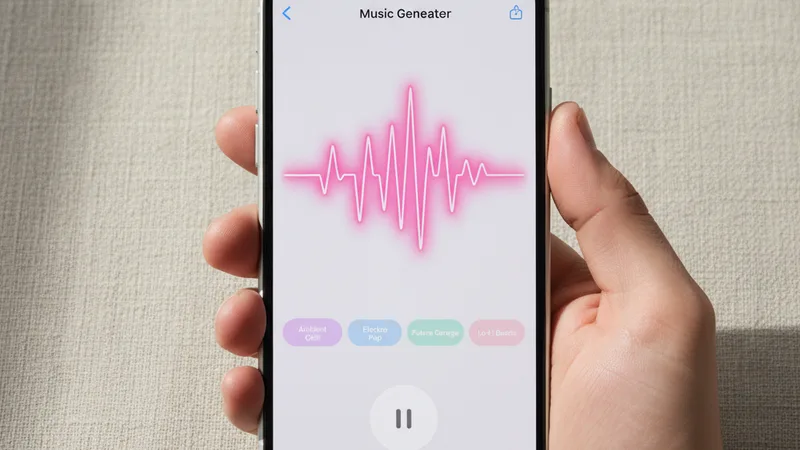
The workflow. Total time on a typical Valentine's track averages 10-15 minutes.
1. Sit and write down three things first. Before opening the app: (a) your partner's name (phonetic if unusual), (b) one specific shared memory unique to your relationship, (c) the genre they actually listen to.
2. Open Muziko on iPhone or iPad. Switch to Write Lyrics mode.
3. Pick the genre. Match their actual taste. Acoustic ballad for cozy intimate relationships. R&B for soulful partners. Indie pop for contemporary couples. Country for country partners. Jazz standard for elegant partners.
4. Pick a mood. Sentimental and dreamy for most Valentine's tracks. Sentimental + playful combinations work for couples who joke as much as they emote. Confident + sentimental works for couples in long-established relationships.
5. Write six to eight lines of lyrics. Structure: two lines naming the specific memory or detail, two lines as a chorus with the partner's name, two to four lines about the current state of the relationship.
6. Set the tempo. 70-85 BPM for slow ballads. 85-100 BPM for mid-tempo intimate tracks. 100-115 BPM for upbeat playful tracks. 90-110 BPM for soulful R&B-leaning songs.
7. Vocal direction. "Solo male vocal warm and intimate" for acoustic. "Solo female vocal soulful with light melodic ornamentation" for R&B. Match the vocal to the genre and to whose voice the song speaks in (yours or an unspecified narrator).
8. Generate four to six takes. Listen with focus. Check name pronunciation, the specific memory line landing, the vocal delivering emotion without overplaying. Pick the take.
9. Decide on delivery. Options below.
For the full mobile workflow, the AI song generator for iPhone 2026 guide covers each creation mode in depth.
Writing Valentine's lyrics that land

A working Valentine's lyric has six ingredients. Generic love language produces generic tracks; specific shared history produces tracks that hit.
Your partner's name, phonetic if unusual. Saoirse becomes Sersha. The AI reads lyrics phonetically; this matters more on Valentine's tracks than on most because the name carries the emotional weight.
One specific shared memory or detail. "The wrong-train trip to Lisbon." "The morning you finally let me make the eggs." "The argument about the Pessoa book that became a three-month inside joke." The specificity is the whole game.
One small ongoing thing about them that you love. "The way you still laugh at your own jokes." "The way you read aloud from the news at breakfast." "The way you make coffee like it's a religion." Concrete and observable, not abstract.
One thing that's changed in you because of them. "I learned to leave the kitchen light on." "I stopped being afraid of long car rides." "I keep a second umbrella in the car now." The change is part of the love.
A line about the current state of the relationship. "Five years and one more morning." "Three apartments and one more box of books." "The kitchen is bigger than the one we started in."
A closing line that doesn't try to summarize everything. Real long-form love doesn't summarize neatly. "The kettle is still on." "I'll see you at dinner." "The lights stay on either way."
An example lyric set:
"The wrong-train trip to Lisbon in 2023, the morning you finally let me make the eggs, Maya, Maya, five years and one more morning, Maya, Maya, I keep a second umbrella in the car now, the kettle is still on."
That set has the specific memory (Lisbon), the small detail (eggs), the relationship-changing-you reference (umbrella), the current state (five years and one more morning), and the open closing line (kettle on).
For lyric craft and iteration, the perfect prompts breakdown covers the underlying patterns.
Matching relationship stage to song type: a starter chart
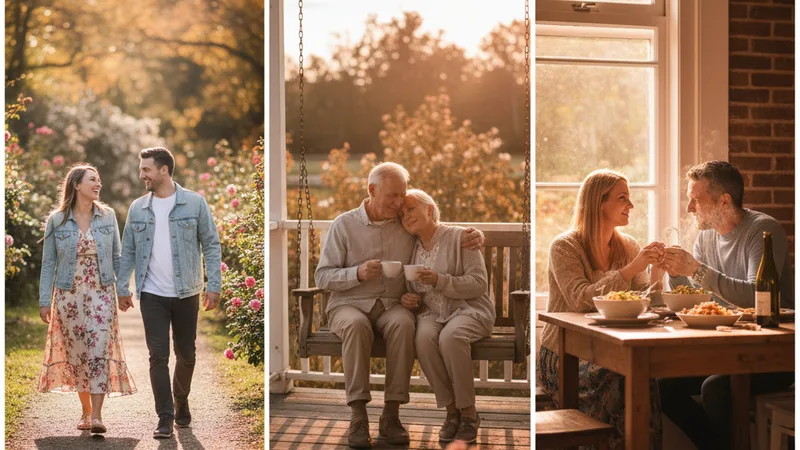
Match the song to the actual stage of your relationship, not to a generic "Valentine's" template.
| Relationship stage | Genre | Tempo | Mood | Notes |
|---|---|---|---|---|
| First Valentine's together (new dating) | Soft acoustic or indie pop | 85-100 BPM | Dreamy + sentimental | Lighter, hopeful, less heavy history |
| First year together | Acoustic ballad or R&B | 80-95 BPM | Sentimental | Specific recent shared memories |
| Two to four years | Acoustic or soulful pop | 80-95 BPM | Sentimental | More accumulated specificity |
| Five to ten years | Acoustic ballad or jazz | 75-90 BPM | Sentimental + dreamy | Deeper history, settled tone |
| Long-term (10+ years) | Acoustic ballad or folk | 70-85 BPM | Sentimental | Quiet weight of years |
| Long-distance relationship | Acoustic with geography | 75-90 BPM | Sentimental | Cities in lyrics, phone calls |
| Recently rebuilt relationship | Acoustic or soul | 75-90 BPM | Sentimental | Honest lyric about the rebuild |
| First Valentine's after marriage | Acoustic ballad | 78-90 BPM | Sentimental | Wedding-year reference |
| First Valentine's with a new baby | Soft acoustic | 70-85 BPM | Sentimental + dreamy | Tender, sleep-deprived, full of awe |
| Queer relationship at any stage | Match partner's taste | Variable | Sentimental | Lyrics affirming the relationship |
| Engaged but not married yet | Acoustic ballad | 75-90 BPM | Sentimental + dreamy | Reference the engagement |
| Established marriage with kids | Acoustic or folk | 75-90 BPM | Sentimental | Kids referenced if it serves the song |
| Empty-nest stage | Acoustic or jazz | 75-90 BPM | Sentimental | The two of you returning to each other |
| Friendship-to-romance stage | Indie folk | 80-95 BPM | Sentimental | Reference the friendship history |
| Second-marriage stage | Acoustic ballad | 75-90 BPM | Sentimental | Lyric honoring the chosen second start |
Pick the row that matches your actual stage. For related guides, see the AI anniversary songs guide and the AI wedding songs guide.
Delivery: how to give the song so it lands

The delivery moment is half the gift. Four delivery methods that work, ranked by emotional precision.
1. The private iMessage on Valentine's morning. Send the audio file in iMessage at 7 a.m. with one line of context — "I made this. Listen when you have a minute." — and then don't follow up for the rest of the day. They listen alone, have whatever reaction they have, and respond when they're ready. This is the highest-precision delivery method.
2. The car playback during a Valentine's drive. If you're driving together (to dinner, on a weekend, anywhere), let the track come on in the playlist without announcing it. They hear their name in the chorus and figure it out. The privacy of the car softens the emotional pressure.
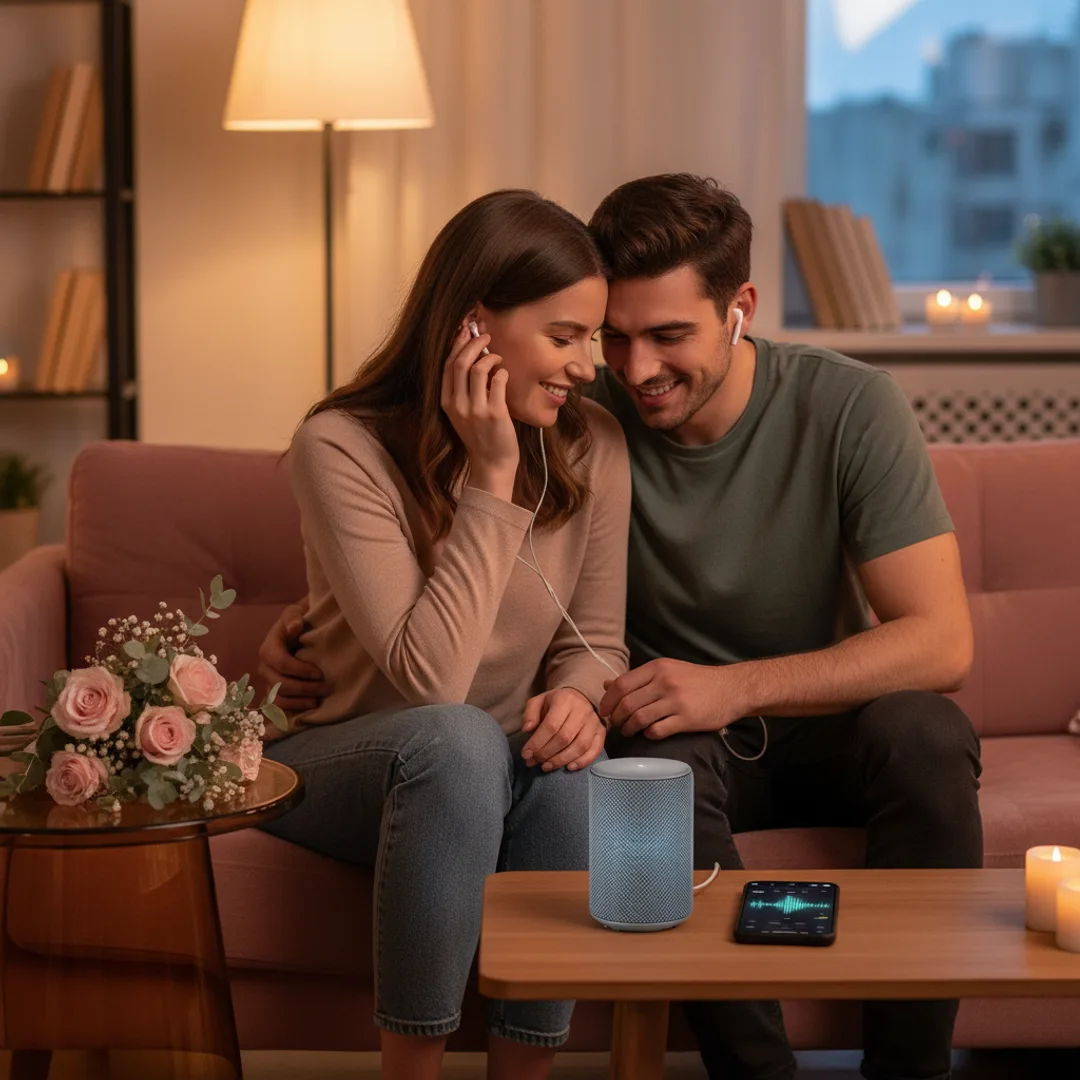
3. The post-dinner small moment. After Valentine's Day dinner, when the meal is done and you have a quiet moment, hand them the phone with the track queued up and earbuds. "I made this for you." Let them listen privately. Don't watch.
4. The Sunday afternoon non-Valentine's surprise. This is the best delivery method, controversially. Skip Valentine's Day entirely. Generate the track for a random Sunday afternoon in February or March when the gesture isn't expected. The song lands harder when it isn't filed into the Valentine's gift category.
Avoid:
- The restaurant-table reveal. Don't queue up the track at the Valentine's Day dinner and ask them to listen with the table next to you watching. The audience pressure kills the moment.
- Social media posts before they've heard it. Don't post the track to Instagram with their name in the caption before they've privately listened. The reaction belongs to them first.
- Forcing real-time reaction. Don't sit and watch them listen. Most partners — even ones who love the song — can't react authentically while being observed.
- The shaky first version. If the AI mispronounced the name or the vocal delivery feels off, regenerate. Don't ship a flawed version to save five minutes.
For related delivery patterns, see the AI Father's Day song delivery section and the AI birthday song delivery section.
Try the workflow now
Valentine's Day 2027 is February 14. You have plenty of runway. Or you could skip Valentine's entirely and send the track this weekend.
Step 1: Write down your partner's name (phonetic if unusual), one specific shared memory, and their actual music taste.
Step 2: Open Muziko on iPhone or iPad. Switch to Write Lyrics mode.
Step 3: Pick their genre (acoustic, R&B, indie pop, country, jazz) and Sentimental mood.
Step 4: Paste the lyrics (adjusted to your relationship):
"The wrong-train trip to Lisbon in 2023, the morning you finally let me make the eggs, Maya, Maya, five years and one more morning, Maya, Maya, I keep a second umbrella in the car now, the kettle is still on."
Step 5: Add the prompt note:
"Acoustic Valentine's ballad, 82 BPM, sentimental and warm, solo male vocal warm and intimate with light female harmony in the chorus, fingerpicked acoustic guitar with soft piano figure on the second verse, light strings entering on the bridge, two minutes forty seconds, soft outro fading over the last fifteen seconds."
Step 6: Generate four to six takes. Pick the take where the name lands cleanly and the specific memory line carries emotional weight.
Step 7: Decide on delivery. iMessage on Valentine's morning with one line of context is the highest-precision option for most partners.
For related gift-occasion guides, see the AI anniversary song guide, AI proposal song guide, AI Father's Day song guide, and AI birthday song guide.
Frequently asked questions
How long does it take to make a custom AI Valentine's Day song?
Realistically, 10 to 15 minutes from start to finished file. The workflow is: write down your partner's name and one specific shared memory, open Muziko on iPhone or iPad, switch to Write Lyrics mode, pick the genre matching your partner's actual taste, write six to eight lines of lyrics with the name and the specific memory, set the tempo (75-100 BPM for most Valentine's tracks), generate four to six takes, pick the strongest. First-time users may need closer to 20 minutes; after one or two tracks, the workflow consistently runs under 12 minutes. Valentine's Day 2027 is February 14, so generating now gives you eight months to refine. You can also send the track on any random Sunday — many partners report the surprise non-Valentine's drop lands harder than the expected Valentine's gift.
What genre should I pick for a Valentine's Day song?
Match the genre to your partner's actual music taste, not to what you think Valentine's songs should sound like. Acoustic ballad for cozy intimate relationships. R&B or soul for partners with soulful taste. Indie pop for contemporary couples. Country ballad for country-leaning partners. Jazz standard for elegant adult partners. Folk for restrained acoustic partners. Hip-hop with sung melodic hook for partners with hip-hop-adjacent taste. The genre choice is the single biggest decision — the wrong genre is the most common reason custom Valentine's tracks fall flat. If you don't know your partner's current taste, open their Spotify or Apple Music and look at the most-played; whatever dominates is the right genre for the track.
Can the AI sing my partner's name correctly?
Common English names get pronounced correctly on the first take about 95 percent of the time. Less common or non-English names sometimes need phonetic spelling — Saoirse becomes Sersha, Aoife becomes Eefa, Caoimhe becomes Keeva. The AI reads lyrics phonetically; it does not need the official spelling, only how the name is pronounced. For Valentine's tracks, generate four to six takes minimum and listen specifically for clean name pronunciation — a mispronounced name on a Valentine's track is the kind of small mistake that disrupts the emotional landing. If after six takes the pronunciation is still off, try a slightly different phonetic spelling or switch to a different vocal style direction in the prompt.
How do I deliver the song so it doesn't feel performative?
The highest-precision delivery is iMessage on Valentine's morning at 7 a.m. with one line of context — "I made this. Listen when you have a minute." — and then don't follow up for the rest of the day. They listen alone, have whatever reaction they have, and respond when they're ready. Other strong methods: car playback during a drive together (let it come on in the playlist without announcement), post-dinner small moment with earbuds and the phone (don't watch them listen), or — controversially the best — skip Valentine's entirely and send the track on a random Sunday in late February or March. The non-Valentine's surprise lands harder because it isn't filed into the gift category. Avoid: restaurant-table reveals with audience pressure, social media posts before they've privately listened, watching them listen in real time, and shipping a flawed first version to save five minutes.
What if I write the lyrics and they fall flat?
Move toward specificity. Generic love lyrics produce generic tracks; specific shared memories produce tracks that hit. The most common reason custom Valentine's lyrics fall flat is they describe the partner abstractly ("you make me feel alive") rather than referencing concrete shared history ("the wrong-train trip to Lisbon in 2023"). Replace abstract lines with specific concrete ones. If you can't think of specific shared memories, look through your camera roll for the last year of photos together — the moments captured are often the lyric material. For deeper lyric craft, draft the lyrics in ChatGPT first using the technique from the ChatGPT vs AI music apps guide, then paste the refined lyrics into Muziko.
Should I use this for an early-stage relationship or wait until things are more established?
Match the song's emotional weight to your relationship's actual stage. For new dating relationships (first three months), a heavy emotional ballad reads as too much, too fast. For new relationships, the workflow still works but with adjustments — lighter genre (indie pop, soft acoustic), more playful mood, shorter track length (90 seconds rather than three minutes), and lyrics that reference recent specific moments rather than implying long-history weight. For established relationships, the full workflow with the heavier emotional palette is appropriate. The general rule: the song should feel like the relationship, not ahead of it. If a partner three months in receives a track that reads like a wedding song, the mismatch reads as more concerning than romantic. Lean toward the actual current emotional register.
Try everything you just read about. Muziko is free to download.