

AI Breakup Songs: Cathartic Tracks That Actually Help
Custom AI breakup songs help you process — your story in the lyrics, your tempo, your genre. Generate cathartic tracks in 5 minutes for the days when you need them.
A note before I start. This is one of the harder articles in the queue to write, because breakups are emotional and AI as a tool can read as cold when the topic is grief over a relationship. I want to be careful. Custom AI breakup songs are not a substitute for friends, family, therapy, or time. They are something smaller and more specific — a way to capture what you're feeling in a track that you wrote yourself, with your own story in the lyrics, in a genre that fits your particular shade of sadness. For some people that helps. For others it doesn't. This guide is about the cases where it does.
I started writing AI breakup songs for friends in late 2025, partly because the standard breakup playlist had become exhausted for them and partly because the specificity of writing your own version of the song — "this is what happened, this is who they were, this is what I'm carrying" — turned out to do something the curated breakup playlists could not. Adele's Someone Like You is a beautiful song about Adele's breakup. A custom AI track at 75 BPM with acoustic guitar and your own specific shared memory in the lyric — "the apartment in October when we ran out of basil" — is a song about yours.
This guide is the workflow for writing custom AI breakup songs with care. The tempo and genre choices that consistently support emotional processing, the prompt patterns that produce songs that hit rather than glance off, the honest cases where AI breakup songs work — and the cases where you should put the phone down and call someone instead.
Why standard breakup playlists run out

A few specifics about breakup music that get clearer after a few breakups.
The standard breakup playlist is finite. Spotify, Apple Music, and the various wellness apps have curated playlists with maybe forty to eighty tracks total. By week three of regular listening, you have heard them all. The lack of novelty starts to grate, and the songs that initially helped no longer carry the same emotional charge.
Most breakup songs are about other people's breakups. Adele's specific heartbreak is on her records. Taylor Swift's. Olivia Rodrigo's. These are powerful songs, but they're not specifically about your relationship. The catharsis works partly through resonance — the song sounds enough like what you're feeling that you can project onto it. The projection is incomplete.
The right tempo for grief shifts daily. Some days you need a slow piano ballad at 65 BPM. Some days you need a defiant indie pop track at 110 BPM with a key change in the final chorus. Some days you need cathartic rock at 90 BPM. A single curated playlist can't move with you.
Custom specificity matters. A song that names the actual season, the actual city, the actual small specific memory — "the apartment in October when we ran out of basil" — sits in your body in a way a generic line about heartbreak does not. Music's emotional power is partly about pattern recognition; specific patterns recognize you back.
AI breakup music supplements, not replaces. Time, friends, family, therapy, and rest are the actual things that help. Music supports the processing; it doesn't do the processing. Any framing of AI breakup music as "the thing that fixes you" is wrong. It's one small tool among many.
For the broader emotional-occasion AI music pattern, see the AI memorial song guide which covers tribute songs with similar tone-sensitivity, and the story to song AI guide which covers the narrative-to-track underlying skill.
What custom AI breakup songs can do
Five things AI breakup songs can do that curated playlists cannot.
- Your specific story in the lyrics. Names, places, seasons, small specific memories. Not generic heartbreak language.
- The exact tempo your current emotional state fits. 65 BPM for slow grief days. 95 BPM for defiant days. 78 BPM for reflective days. AI music apps respond to specific BPM prompts.
- The genre that matches your sadness specifically. Acoustic ballad. Indie pop. R&B. Country. Lo-fi. Hip-hop. Each holds different shades of breakup emotion.
- A length you control. Two minutes for a quiet moment. Three and a half minutes for a slow build. AI tracks can be prompted to specific lengths.
- A file you keep. The track lives on your phone. You can play it weeks later when something reminds you, or you can never play it again. It's yours, generated for your specific moment.
For the prompt-craft underlying any AI music work, how to write AI song prompts that actually produce great music is the most useful companion read.
Step-by-step: a breakup song in Muziko, under five minutes
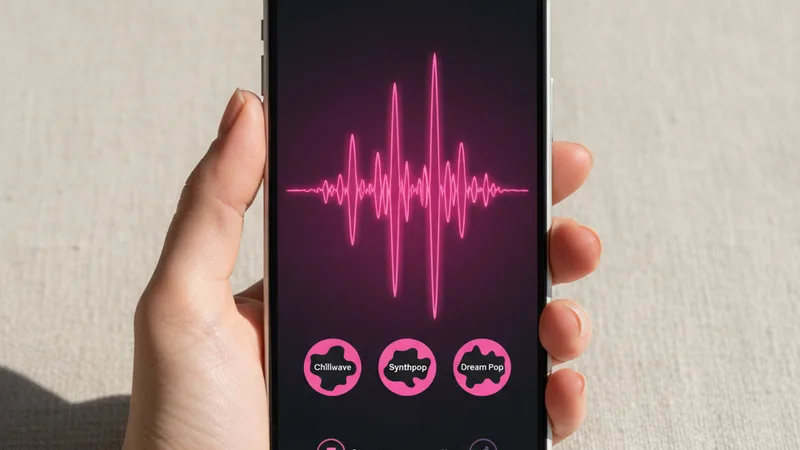
The workflow. Total time on a typical track is 5-15 minutes — slightly longer than other personal occasion songs because the lyric writing benefits from sitting with the feeling rather than rushing it.
1. Sit with what you're feeling for a moment first. Before opening the app, write down two or three concrete things — a specific shared memory, a small object that reminds you of the relationship, the season you're in now. The specificity matters more than the polish of the writing.
2. Open Muziko on iPhone or iPad. Switch to Write Lyrics mode. This is essential for breakup songs — the lyrics carry the song.
3. Pick the genre. Match it to your current state, not to what you think breakup songs should sound like. Acoustic ballad for slow grief. Indie pop for defiance. Country for narrative reflection. R&B for slow burn. Lo-fi for resigned tenderness. Hip-hop for anger.
4. Pick the mood. Sentimental for slow ballads. Confident for defiant tracks. Dreamy for resigned reflective ones. Sentimental + dreamy combinations work for most quiet breakup songs.
5. Write six to eight lines of lyrics. Structure that works: two lines about the specific shared memory or detail, two lines as a chorus naming the emotional reality, two to four lines about now or what comes next. Specificity over generic sadness.
6. Set the tempo carefully. 60-75 BPM for slow grief. 75-90 BPM for reflective mid-tempo. 90-105 BPM for defiant upbeat. 100-115 BPM for cathartic energetic.
7. Vocal direction matters. "Solo female vocal warm and intimate, slight tremor on the chorus, restrained emotional delivery" for acoustic. "Solo male vocal conversational and direct" for indie pop. Match the vocal to the emotional register.
8. Generate four to six takes. Listen with care, not while doing anything else. Breakup songs benefit from focused listening. Pick the take where the lyric reads naturally and the vocal lands the emotional weight without overplaying it.
9. Decide what to do with the track. Some people listen once and never again. Some people add it to a small private playlist. Some people share with one specific friend. There is no right answer — whatever helps you process.
For the broader mobile workflow, the AI song generator for iPhone 2026 guide covers each creation mode in depth.
Writing breakup song lyrics that land

A working breakup song lyric has six ingredients. Generic sadness produces generic tracks; specific sadness produces tracks that actually hit.
One specific shared memory. "The apartment in October when we ran out of basil." "The drive back from Maine the morning everything started feeling thin." "The argument outside the pharmacy when neither of us had a good answer." The specificity is what carries the song.
One concrete object or detail. "Your sweater I still have." "The mug you bought at that estate sale." "The book on the nightstand still on chapter seven." Objects anchor emotion.
The current state, named honestly. "The kitchen is too big now." "I'm still angry about Tuesday." "It's been long enough that this is the new normal." What is true right now, not what is supposed to be true.
Their name, used or deliberately not used. Some breakup songs work better with the partner's actual name in the lyrics; others work better with the name carefully avoided. Decide based on your relationship to the writing — does naming them hurt more, or does refusing to name them hurt more? Both are valid choices.
A line about what changed in you. "I used to leave the lights on for you." "I don't check my phone the same way anymore." "I learned three new recipes." The change is part of the story.
A closing line that doesn't resolve too neatly. Real breakups don't resolve neatly. Lyrics that wrap up too cleanly read as dishonest. Lyrics that leave space — "the highway keeps going either way" — read as true.
A combined working set of lyrics:
"The apartment in October when we ran out of basil, your sweater I still have folded on the chair, the kitchen is too big now, the kitchen is too big now, I learned three new recipes and one of them is yours, the highway keeps going either way."
That set has the specific memory (running out of basil), the concrete object (sweater), the current honest state (kitchen too big), the small change (learned recipes), and the open ending (highway keeps going).
For more on prompt iteration and lyric craft, the perfect prompts breakdown covers the underlying patterns.
Matching emotional stage to song type: a starter chart

Breakups move through stages. Different stages benefit from different music profiles. Patterns that hold consistently.
| Emotional stage | Genre | Tempo | Mood | Notes |
|---|---|---|---|---|
| Acute shock (first 1-2 weeks) | Acoustic ballad or piano | 60-72 BPM | Sentimental | Slow, sparse, allows full feeling |
| Slow grief (weeks 2-6) | Acoustic or indie folk | 70-85 BPM | Sentimental + dreamy | Mid-tempo reflection |
| Anger stage | Cathartic rock or hip-hop | 90-115 BPM | Confident | More energetic, defiant lyrics |
| Bargaining / longing | Soul or R&B ballad | 70-85 BPM | Sentimental | Vocal-forward, longing tone |
| Reflective acceptance | Indie folk or singer-songwriter | 80-95 BPM | Sentimental + dreamy | Mature reflection |
| Defiant moving on | Indie pop with key change | 105-118 BPM | Confident + euphoric | Building energy, key change in final chorus |
| First anniversary of breakup | Acoustic ballad | 70-80 BPM | Sentimental | One-year retrospective |
| Long-distance ended relationship | Indie folk or R&B | 75-90 BPM | Dreamy | Geography in the lyrics |
| Friendship-to-romance loss | Indie pop | 80-95 BPM | Sentimental | Specific friendship-history lyrics |
| Sudden vs slow ending | Match tempo to ending pace | Varies | Varies | Sudden = slower; slow = mid-tempo |
| Mutual amicable breakup | Indie folk or soulful pop | 85-100 BPM | Sentimental + hopeful | Less anger, more reflection |
| Difficult / messy breakup | Cathartic rock or hip-hop | 95-115 BPM | Confident | Anger has its own legitimacy |
Pick the row that matches where you are right now. The stage you're in matters more than what stage you "should" be in.
When AI breakup songs help — and when to put the phone down

Honest accounting of when AI breakup songs support emotional processing and when they don't.
Help:
- As a way to capture what you're feeling at a specific moment. The act of writing the lyric forces you to articulate your current state. The articulation itself can be useful.
- As a supplement to therapy, friends, or journaling. A song generated alongside other processing work can give you a sonic marker of what this particular week felt like.
- As an alternative to saturated playlists. When the standard breakup playlist has stopped working, custom AI tracks restore some of the novelty that gives music its emotional charge.
- For long-distance ended relationships. Geography-specific lyrics can carry the particular grief of a relationship that ended partly because of distance.
- For friendship endings, not just romantic ones. AI breakup songs work for friendship dissolutions too, with the lyric structure adjusted to friendship-history specifics.
- For amicable mutual endings. Songs that aren't angry — that are mostly sad and reflective — capture the specific weight of a relationship that ended because it was time.
- For one-year retrospectives. Generating a track on the first anniversary of a breakup can be a way to look back with more distance than the acute period allowed.
Put the phone down and reach for something else:
- In the acute first 72 hours of a fresh breakup. Right after a breakup is usually not the time to be writing lyrics about it. Reach for friends, family, a long walk, sleep. Music can come later.
- When the lyric-writing becomes a way to dwell rather than process. If you find yourself generating five tracks a day with the same specific lyric variations, the music is becoming part of the loop you're trying to break, not part of the way out. Take a break.
- When the relationship's ending involves safety concerns. If the breakup involves abuse, harassment, or any safety issue, music is not the priority. Reach for the resources that address safety first.
- When the writing process is making things worse rather than better. Some emotional processing happens through writing; some happens through other means. If writing breakup lyrics is amplifying your distress rather than helping you sit with it, switch modalities.
- When you're tempted to share the track with the ex-partner. Almost never a good idea. The track is for you, not for them. Sending it usually backfires.
- For users in clinical depression or grief that warrants medical attention. AI breakup music is one small tool. Clinical-level depression, complicated grief, or persistent mental health concerns benefit from professional support. The music can supplement that support; it cannot replace it.
For broader emotional-occasion patterns, the AI memorial song guide covers similar tone-sensitive content, and the story to song AI guide covers the narrative-input workflow.
Try the workflow when you're ready
If you're sitting with a breakup and the standard playlist has run out, this is the workflow.
Step 1: Take a breath. Write down two or three specific things — a memory, an object, a current honest state. This is the lyric foundation.
Step 2: Open Muziko on iPhone or iPad. Switch to Write Lyrics mode.
Step 3: Pick the genre and mood that matches your current emotional stage. Acoustic ballad with sentimental mood works for most slow-grief days.
Step 4: Paste the lyrics (adjusted to your specifics):
"The apartment in October when we ran out of basil, your sweater I still have folded on the chair, the kitchen is too big now, the kitchen is too big now, I learned three new recipes and one of them is yours, the highway keeps going either way."
Step 5: Add the prompt note:
"Acoustic ballad, 72 BPM, sentimental and dreamy, solo female vocal warm and intimate with slight tremor on the chorus, restrained emotional delivery, fingerpicked acoustic guitar with soft piano figure on the second verse, light strings entering on the bridge, two minutes forty seconds, soft outro fading over the last fifteen seconds."
Step 6: Generate four to six takes. Listen with care. Pick the take where the lyric reads naturally and the vocal carries the weight without overplaying.
Step 7: Decide what to do with it. Save it. Listen once and let it go. Add it to a small private playlist. Send it to the one specific friend who would understand. Whatever helps you process.
The track is small. It doesn't fix anything. But sometimes it gives you a moment of specific recognition that the curated playlists can't, and sometimes that moment is what you need on a particular Tuesday.
For the related personalization-driven AI music workflows, see the AI memorial songs guide, the AI anniversary songs guide, and the story to song AI guide.
Frequently asked questions
Do custom AI breakup songs actually help you process a breakup?
For some people, yes — as a supplement to other processing, not as a replacement for it. Custom AI breakup songs with your specific story in the lyrics, your current emotional-state tempo, and your matching genre give a sonic marker for what you're feeling that curated breakup playlists can't match because the playlists are about other people's breakups. The act of writing the lyric forces articulation of the current state, which itself can be useful. AI breakup songs supplement therapy, friends, family, sleep, and time — they don't replace any of those things. For users in the acute first 72 hours of a breakup, in clinical depression, or in any situation involving safety concerns, music is not the priority — reach for the resources that address the underlying need first.
What's the best tempo for a breakup song?
Match the tempo to your current emotional stage. Acute shock (first 1-2 weeks): 60-72 BPM, slow piano or acoustic. Slow grief (weeks 2-6): 70-85 BPM, mid-tempo acoustic or indie folk. Anger stage: 90-115 BPM, cathartic rock or hip-hop. Bargaining and longing: 70-85 BPM, soul or R&B ballad. Reflective acceptance: 80-95 BPM, indie folk or singer-songwriter. Defiant moving on: 105-118 BPM, indie pop with a key change in the final chorus. Most users move through different tempos as their emotional state shifts over weeks and months. The tempo you need today may be different from the tempo you need next month — that's normal and part of why custom AI tracks work better than curated playlists for breakup processing.
Should I put my ex's name in the lyrics?
Either way works; the right choice depends on your relationship to the writing. Some breakup songs work better with the partner's actual name in the lyrics — the specificity carries the weight. Some work better with the name carefully avoided — the omission carries its own emotional content. Ask yourself: does naming them hurt more, or does refusing to name them hurt more? The honest answer points to the right choice for you in this particular song. You may find different songs at different stages benefit from different choices. There's no rule that says breakup songs must name the partner; many of the most powerful breakup songs in popular music don't.
Is it healthy to make many breakup songs about the same relationship?
It depends on whether the songs are part of processing or part of ruminating. Songs that capture a specific moment, a specific emotion, a specific memory and then let it move — those songs are part of processing. Songs that obsessively rework the same memory, the same accusation, the same regret day after day are part of ruminating. If you find yourself generating five tracks a day with minor lyric variations on the same theme, the music is becoming part of the loop you're trying to break rather than part of the way out. The healthier pattern: occasional tracks across the months and years that capture different emotional positions in your relationship to the breakup, with significant gaps between them. If you're unsure whether your music-making is helping or hurting, talk to a therapist or trusted friend about it.
Should I share an AI breakup song with my ex?
Almost never. The track is for you, not for them. Sending an emotional song to an ex-partner usually backfires regardless of the song's content — it can reopen contact when you both need space, it can be misread as an attempt to manipulate the situation, and it puts emotional pressure on the recipient that ex-partners specifically don't owe each other. The exceptions are rare: pre-existing co-parenting communication where music is part of a long-established healthy exchange, very long after the breakup when the relationship has shifted to friendship, or very specific contexts you have thought through with a therapist. The default is to keep the track for yourself. If you want to share it with someone, share it with a friend, a family member, or a therapist — not with the ex.
Can I use AI breakup songs to write material for a music release?
Yes, when generated on the paid tier of a reputable AI music app like Muziko Pro at $34.99 per year, Suno Pro, or Udio Pro. The paid tier grants commercial usage rights including release on Spotify, Apple Music, YouTube Music, and Amazon Music. All major streaming platforms in 2026 ask for AI content disclosure on uploads; provide that disclosure honestly. Many singer-songwriters use AI to draft breakup material that they later refine, re-record with their own vocal, and release. Some release the AI version directly with appropriate disclosure. Either is acceptable. The honest framing for any breakup song you release is that it's a song from your perspective about your relationship — which is what every breakup song through music history has been. The fact that AI helped you produce it doesn't change the underlying emotional source material as long as you wrote the lyrics.
Try everything you just read about. Muziko is free to download.

![AI Lyrics Generator: Write Song Lyrics Free [Tested 2026]](/_next/image?url=%2Fimages%2Fblog%2Fai-lyrics-generator%2Fhero.webp&w=3840&q=75)
![AI Amapiano Generator: Log Drum Tracks [Tested 2026]](/_next/image?url=%2Fimages%2Fblog%2Fai-amapiano-generator-log-drum-tracks%2Fhero.webp&w=3840&q=75)