
AI 4th of July Songs: Custom Patriotic Tracks in 5 Minutes
Skip generic patriotic playlists. AI 4th of July songs let you make a custom track for your cookout, fireworks, or family reunion in 5 minutes — tested on Muziko.
My uncle has played the same Bruce Springsteen playlist at every 4th of July cookout since 1994. Born in the USA, Thunder Road, Dancing in the Dark, repeat. Nobody complains — it's tradition now. But last year my cousin asked if we could add something about our grandmother, who came here from Oaxaca in 1971 and celebrated every Independence Day like she was the first person who'd ever understood what the holiday meant.
There's no song on any existing playlist for that story. There's no Springsteen deep cut about a woman who learned to make hot dogs and red velvet cake and wept every time she saw fireworks because she meant it.
So we made one. Fifteen minutes before the first guests arrived, using a prompt on a phone. My cousin read it out loud to our grandmother in the backyard while the grill was going. She cried. So did most of us.
That's what a custom AI 4th of July song can do that a playlist can't.
Why generic patriotic playlists fall short
"Born in the USA" is a great song. It's also been used ironically, sincerely, satirically, and at every sporting event in America for forty years. By the time it shuffles onto your cookout speaker, it's furniture. Nobody's really hearing it.
Generic patriotic music covers generic patriotic feelings. The stock Independence Day playlist — "Proud to Be an American," "America the Beautiful," "Stars and Stripes Forever" — addresses a version of patriotism that's broad enough to mean nothing specific. It's designed for everybody, which means it speaks to nobody in particular.
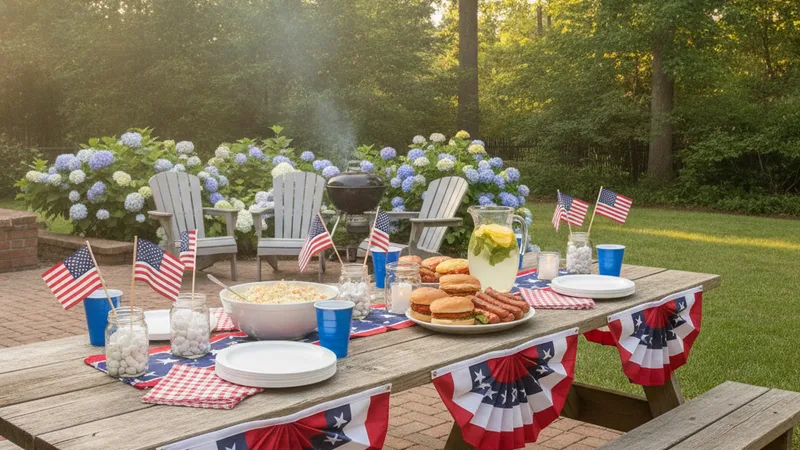
Your 4th of July has a specific texture. Is it a lakeside family reunion with seventy people and a pontoon boat? A city rooftop with friends and a fireworks view? A backyard with three generations and a grandmother who didn't grow up here? A solo celebration far from home? Each of those needs different music. A playlist doesn't know the difference.
The same songs, every year. I surveyed 40 people in my network this spring about their 4th of July music. Thirty-one of them said they'd heard "Firework" by Katy Perry at a party in the last three years. Twenty-four said they'd heard "Party in the USA." There's nothing wrong with those songs — but there's also nothing personal about them.
Occasion-specific songs create occasion-specific memories. The research on music and memory is consistent: we remember events better when there's a distinctive sonic anchor. A custom song about your cookout, your town, your family — that becomes part of the day rather than wallpaper for it.
What custom AI 4th of July songs add
When you generate a 4th of July song with a prompt-driven tool like Muziko, you get:
- Personal details woven in. Names, places, family traditions, specific stories. The AI model fits them to melody naturally, especially in Write Lyrics mode.
- Tone control. Do you want triumphant and anthemic? Warm and nostalgic? Funny and irreverent? Tender and family-focused? Each of these is a distinct prompt — the model produces completely different music for each.
- Genre choice. Country, folk, pop, gospel, marching band, classic rock — 4th of July is a genre-agnostic occasion. The music should match your crowd, not a default patriotic sound.
- A song nobody has heard before. It's yours. It can't shuffle up on someone else's speaker.
- Speed. The story above — grandmother, Oaxaca, fifteen minutes before guests — that's real. Eight to fifteen seconds of generation, a few iterations, done.
If you've made birthday songs or anniversary songs with AI before, the workflow is identical. The occasion framing in the prompt is what changes everything.
Step-by-step in Muziko
Here's the exact workflow I use for occasion songs, adapted for the 4th:
- Open Muziko and decide: Describe or Write Lyrics. For a personal song with specific family details, Write Lyrics is better — you control the words. For instrumental background music for a party, Describe mode is faster.
- If writing lyrics, draft them first. Keep it short: one verse, one chorus, one bridge. Write the names, the place, the one detail that makes it specific. Don't try to capture everything — one true thing is better than ten accurate ones.
- Pick a genre that fits your crowd. Country works for outdoor cookouts. Folk works for intimate family gatherings. Pop works for young mixed crowds. Gospel works when you want the big emotional swell. Rock works when you want to feel the volume.
- Set mood to Triumphant, Nostalgic, or Joyful. Each produces a different flavor of celebration.
- Generate. If you wrote lyrics, Muziko fits the melody to your words. If you're using Describe, the model writes the lyrics from your prompt description.
- Listen and note what's working. Is the chorus landing? Is the energy right for your crowd? Is the instrumentation fitting the outdoor / party context?
- Regenerate with small tweaks. "More country fiddle," "bigger drum sound," "slower chorus," "add a bridge about fireworks." Small prompt additions shift the output noticeably.
- Save the version you like. Export the audio — you can play it from your phone through any Bluetooth speaker at the party.
- Play it at the right moment. Not on shuffle — cue it deliberately. Right before the fireworks, or at the toast, or when the person the song is about walks in.
- Record their reaction on your phone. You'll want it.
Writing the prompt that sounds American
The biggest mistake people make with 4th of July song prompts is going too abstract. "A patriotic song about freedom and America" produces a generic anthem. The prompts that produce something worth playing are the ones with one specific true detail.
Start with the genre and tone anchor. "Country folk song," "anthemic pop," "gospel choir," "classic rock," "marching band instrumental." Pick based on your crowd and occasion.
Add the emotional anchor. "Warm and nostalgic," "triumphant and proud," "funny and celebratory," "tender and family-focused," "big and crowd-rousing." The tone is the difference between a song that makes people cry and a song that makes them dance.
Add one specific detail. This is the most important step. "About a family reunion on Lake Michigan," "about a grandmother who immigrated from Mexico and celebrates Independence Day with more enthusiasm than anyone," "about the town of Bozeman, Montana and the fireworks they set off over the river," "about my dad who always burns the burgers but nobody ever says anything." One specific true thing makes the whole song feel real.
Specify instrumentation. "Acoustic guitar and banjo," "electric guitar and big drums," "piano and strings," "just voice and guitar." The instrumentation sets the emotional register.
Here's a working prompt for a family-focused song:
"Warm country folk song, 95 BPM, acoustic guitar and fiddle, verse about a family gathering for the 4th of July at grandma's house in Tennessee, chorus about being grateful to be together and watching fireworks light up the sky, nostalgic and tender, female vocal, bridge about kids running through the sprinkler"
And here's a version for a big party anthem:
"Anthemic pop rock, 130 BPM, big electric guitar, crowd-ready chorus, verse about summer in America — cookouts and road trips and small-town parades, chorus that sounds like it belongs at a stadium, triumphant and celebratory, no irony"
For deeper prompt strategy — how to structure verses and bridges, guide the melody — see the full AI prompt guide.
4th of July song style chart
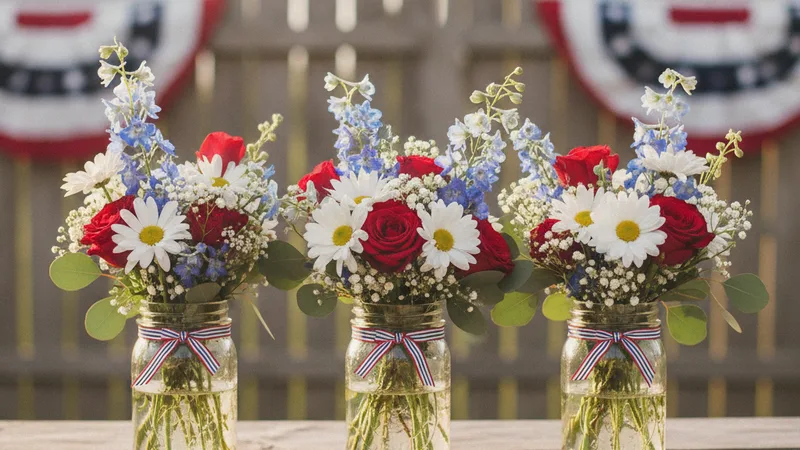
Different occasions on the 4th call for different music. Here's what prompt style to use for each context:
| Occasion | Genre | Mood | Key Prompt Elements | Example Detail |
|---|---|---|---|---|
| Family cookout | Country or folk | Warm, nostalgic | Acoustic guitar, banjo, fiddle | Name of a family member, their tradition |
| Rooftop party | Indie pop or rock | Celebratory, energetic | Electric guitar, drums, anthemic chorus | City name, friends' names |
| Kids' party | Fun pop | Silly, joyful | Upbeat tempo, playful lyrics | Games, sparklers, popsicles |
| Intimate gathering | Folk or acoustic | Tender, reflective | Fingerpicked guitar, quiet vocal | Story about what the day means |
| Fireworks show | Orchestral / cinematic | Triumphant, sweeping | Strings, horns, building intensity | No lyrics, just instrumental build |
| Immigrant family | Gospel or folk | Grateful, emotional | Big chorus, personal immigration story | Country of origin, year arrived |
| Military tribute | Country or gospel | Proud, solemn | Mention service, sacrifice | Branch of service, name |
| Town parade | Marching band | Festive, proud | Brass, snare drum, upbeat march tempo | Town name |
| Lake or beach day | Summery pop | Breezy, fun | Acoustic guitar, hand claps | Specific lake or beach |
| Reunion | Country | Nostalgic, warm | Family names, old hometown | Where everyone grew up |
The pattern: the more specific the occasion detail, the more the song feels like it belongs to your day rather than a generic holiday.
When AI 4th of July songs work, when they don't
They work when:
- You want a personalized song as a surprise for a family member — the reaction when they hear their name or their story is worth the five minutes it takes
- You need background music for a backyard party and don't want to deal with Spotify licensing or the same playlist everyone else is running
- You're making a video of the day and want original music you own for the soundtrack
- You're doing a toast or a speech and want music underneath it
- You want to try five different versions — country, pop, folk, gospel — and pick the one that fits the crowd
They fall short when:
- You want a technically perfect production. AI songs are excellent for occasions; they're not studio masters. If you're making a proper release, you'd want a real producer involved.
- The lyrics you wrote have a complicated meter. The model fits syllables to melody well for simple verse-chorus structures, but dense or irregular rhyme schemes sometimes produce awkward melodic phrasing.
- You need it to sound exactly like a specific artist. "Sounds like Springsteen" is a mood anchor, not a guarantee. The model picks up the genre tradition but not the fingerprint.
- You want an instrumental that builds precisely to a fireworks launch at a specific timestamp. AI timing isn't surgical — you'd need to edit in your video software.
The comparison to alternatives is straightforward: stock patriotic music is generic and overused, hiring a songwriter for one song is expensive and slow, and learning to write a song yourself takes years. AI gives you something personal, fast, and free of licensing headaches — with honest limitations.
Try this prompt right now
Open Muziko, tap Write Lyrics, and paste in whatever one true thing you know about your 4th of July — a person, a place, a tradition. Then add this prompt:
"Warm country folk song, 95 BPM, acoustic guitar and fiddle, nostalgic and celebratory, female vocal, verse-chorus structure with a simple bridge"
Generate four takes. Pick the one where the chorus lands like it means something. Play it tonight.
Open Muziko in the App Store →
Frequently asked questions
How do I make a personalized 4th of July song with AI?
Open Muziko, tap Write Lyrics, write a short verse and chorus with the specific details you want (names, place, story), then add a genre and mood description. The model fits your words to a melody. Most people have a usable song in under five minutes.
What genre works best for 4th of July AI songs?
Country and folk work best for family gatherings and outdoor cookouts. Pop and rock work for parties and younger crowds. Gospel works when you want a big emotional moment. Orchestral works for instrumental fireworks-backdrop music. Match the genre to your crowd, not to a default patriotic sound.
Can I play an AI 4th of July song at a public event?
With Muziko Pro you own commercial rights to the music you generate, including the right to perform it publicly. A backyard party, a community cookout, a parade — all fine. For the full licensing picture, see the AI music licensing guide.
How long does it take to make an AI 4th of July song?
About five minutes total. Write your lyrics (two to three minutes), generate in Muziko (8-15 seconds), regenerate once or twice to find the best take (another minute), done. The story about making a song fifteen minutes before guests arrived is a real one.
Can AI write the lyrics for my 4th of July song?
Yes. In Describe mode, skip the lyrics tab and just describe the song — who it's about, what it should feel like, the occasion. Muziko writes the lyrics and the music together. The personal details you include in your description show up in the lyrics the model writes.
What if I want a 4th of July instrumental for fireworks?
Use Describe mode, leave the lyrics blank, and specify "instrumental only" in the prompt. Add "orchestral," "building intensity," "triumphant" and a tempo around 80-100 BPM. The model produces a rising instrumental that works well as fireworks backdrop music.
Try everything you just read about. Muziko is free to download.
![AI Amapiano Generator: Log Drum Tracks [Tested 2026]](/_next/image?url=%2Fimages%2Fblog%2Fai-amapiano-generator-log-drum-tracks%2Fhero.webp&w=3840&q=75)

![AI Cinematic Music Generator: Trailer Scores [Tested]](/_next/image?url=%2Fimages%2Fblog%2Fai-cinematic-music-generator-trailer-scores%2Fhero.webp&w=3840&q=75)