
![AI Reggae Generator: Roots, Dub & Dancehall Tracks [Tested]](/_next/image?url=%2Fimages%2Fblog%2Fai-reggae-generator-roots-dub-dancehall-tracks-that-hit%2Fhero.webp&w=3840&q=75)
AI Reggae Generator: Roots, Dub & Dancehall Tracks [Tested]
AI reggae generator tested across roots, dub, lovers rock, and dancehall on iPhone. Real skank guitar, one-drop drums, deep bass — Muziko in under 15 seconds.
I spent a week trying to get AI generators to nail the one-drop before I wrote this piece, and the results were split right down the middle. Every tool I tried could produce something that sounded "island-adjacent" — a little marimba, a vague offbeat guitar chop, maybe a steel drum sample slapped on top. What almost none of them could do was get the drum pocket right, and in reggae, the pocket is the whole genre.
The one-drop isn't a vibe, it's a specific rhythmic decision: the kick and snare land together on beat three, and beat one is left open. Skip that and you don't have reggae, you have a vaguely tropical loop with a guitar upstroke. I tested Muziko against a handful of prompts across roots, dub, lovers rock, and dancehall to see whether it actually understood the difference — or whether it was going to hand me steel drums and call it a day.
Why the generic version of reggae falls short
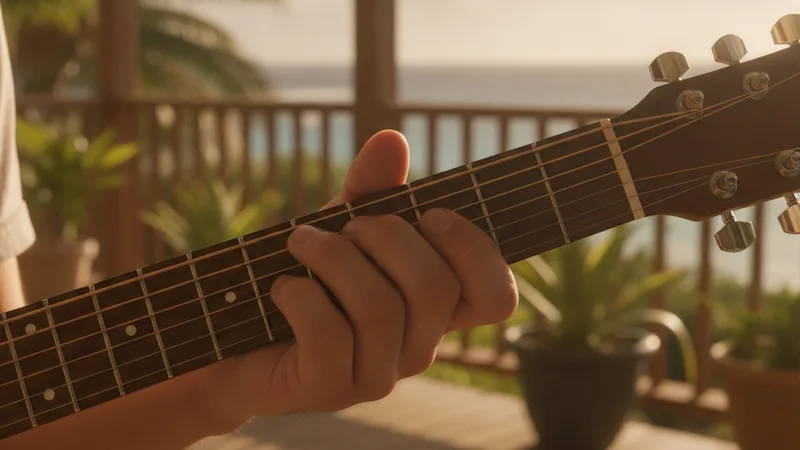
Generic AI reggae almost always defaults to the "beach playlist" preset. You get a plinky steel drum melody, a soft acoustic strum, and a beat that's more bossa nova than Kingston. It's pleasant, but it isn't reggae — it's stock-music shorthand for "vacation."
The skank gets flattened into a generic offbeat chord. Real reggae guitar (and often keys) plays a short, muted upstroke chop on the off-beats — the "chink" sound. Weak generators either drop it entirely or replace it with a reverb-drenched pad that has none of the percussive bite.
Bass gets buried instead of leading. In roots reggae especially, the bass is arguably the lead instrument — deep, round, melodic, sitting right up front in the mix. A lot of AI output treats bass as background low-end filler, which guts the genre's character immediately.
The tempo range gets ignored. Reggae generally lives in the 60-90 BPM pocket (with dancehall pushing a bit faster). Tools trained mostly on pop and EDM data tend to speed everything up toward 100+ BPM out of habit, which makes the groove feel rushed and un-danceable.
Dub gets treated as an afterthought rather than a technique. Dub isn't just "reggae with echo." It's a whole production philosophy — stripping the mix down, spring reverb on the snare, tape delay throwing the vocal or horn line into space. Generic tools that don't understand dub as a method just slap a delay plugin over a finished track and call it dub.
What custom AI reggae adds
When you actually name the reggae subgenre and describe the rhythm section instead of just typing "reggae song," the difference is immediate:
- Correct one-drop or rockers timing — kick landing on three for one-drop, four-on-the-floor kick pulse for rockers style, instead of a generic backbeat.
- Skank guitar with real muted attack — a short, percussive chop instead of a sustained chord, which is what actually makes the offbeat groove read as reggae.
- A bass tone that sits up front — round, warm, sometimes with a slight overdrive, mixed to compete with (not hide behind) the vocal melody.
- Horns where the subgenre calls for them — ska-adjacent roots tracks often want a trumpet/trombone stab on the offbeats; lovers rock usually doesn't need them at all.
- Dancehall's harder digital riddim — sparser arrangement, more low-end weight, a simpler and punchier drum pattern than roots reggae's live-band feel.
- Dub-specific space — if you ask for a dub mix, you should get room for spring reverb throws and delay tails on the vocal, not a busy full-band arrangement with no space to breathe.
If you haven't spent time on prompt structure before, our guide on how to write AI song prompts that actually produce great music is worth reading first — the naming-the-instrument-and-technique approach applies directly to reggae's rhythm section.
Step-by-step in Muziko
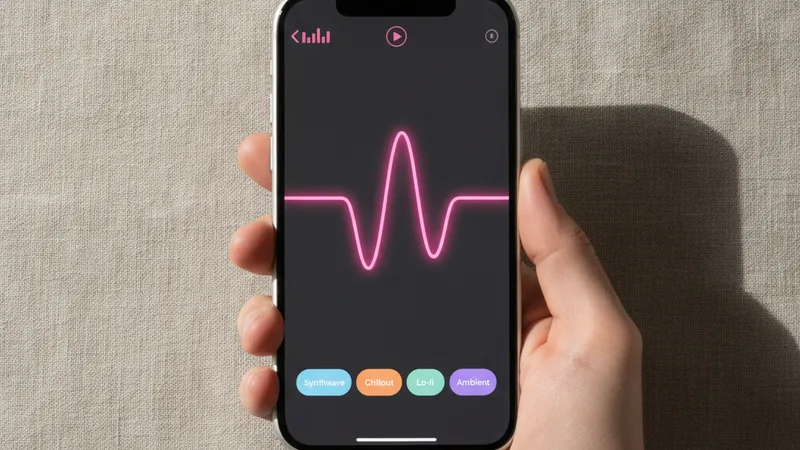
- Open Muziko and pick your creation mode — Describe works well for reggae since so much of the character is rhythmic and textural rather than lyrical.
- Name the specific subgenre — roots reggae, lovers rock, dub, rocksteady, or dancehall — instead of just "reggae." Each one implies a different drum pattern and instrumentation.
- Specify the drum pattern by name: "one-drop rhythm" or "rockers beat" gets you closer to the real thing than "reggae drums."
- Call out the bass explicitly: "deep, round bass guitar leading the groove" tells the model the bass isn't background filler.
- Describe the skank: "muted upstroke guitar chop on the offbeat" is more precise than "reggae guitar."
- Set the tempo range: 65-80 BPM for roots and lovers rock, 90-105 BPM for dancehall.
- Add mood and instrumentation extras — Hammond organ bubble, brass stabs, hand percussion, or spring reverb and tape delay if you want a dub treatment.
- Choose your mood tag — Muziko's mood library includes options like Romantic, Chill, and Uplifting that pair naturally with lovers rock or roots reggae respectively.
- Generate — expect 8-15 seconds.
- Listen for the pocket first. Before judging melody or vocals, check whether the kick/snare relationship actually sits like a one-drop. If it doesn't, that's the thing to fix in your next prompt pass, not the melody.
Writing the prompt that hits
The biggest lever in reggae prompting is naming the rhythm section technique instead of the genre alone. "Reggae song" is a vague request that could return almost anything with an offbeat guitar somewhere in the mix. "One-drop rhythm, kick and snare together on beat three, muted upstroke skank guitar, warm round bass leading the groove" is a request the model can actually execute, because you've described the mechanics rather than the label.
Second lever: separate the rhythm description from the mood description. Reggae covers a huge emotional range — righteous and political in classic roots, warm and romantic in lovers rock, sparse and menacing in some dancehall — and conflating rhythm with mood muddies both. Describe the groove first, then layer mood language on top.
Third lever: be specific about what NOT to include if you're avoiding cliché. If you don't want steel drums or marimba, say so — "no steel drum, no marimba" is a legitimate and useful prompt instruction when a tool keeps defaulting to tropical clichés.
For dub specifically, describe it as a production technique, not a genre tag: "dub mix, sparse arrangement, spring reverb on snare hits, tape delay echoing the vocal phrase into the space" gives the model something concrete to do rather than just "add echo."
Try combining all three: "Roots reggae, one-drop rhythm with kick and snare on beat three, muted upstroke skank guitar, deep round bass leading the groove, light Hammond organ bubble, warm analog feel, 72 BPM, no steel drum."
Reggae subgenre chart
| Subgenre | Tempo (BPM) | Drum pattern | Key instruments | Mood | Notes |
|---|---|---|---|---|---|
| Roots reggae | 65-80 | One-drop | Bass, skank guitar, Hammond organ, hand percussion | Conscious, warm, uplifting | The foundational style — bass-forward, live-band feel |
| Rocksteady | 65-75 | Rockers (four-on-floor kick) | Bass, brass stabs, piano | Smooth, romantic | The slower, groovier predecessor to reggae proper |
| Lovers rock | 68-78 | One-drop, softer | Bass, strings or pads, gentle guitar skank | Romantic, tender | UK-born subgenre built for slow dancing |
| Dub | 65-80 | One-drop, stripped down | Bass, spring reverb, tape delay, sparse drums | Spacious, hypnotic, moody | A mixing technique as much as a genre — space is the point |
| Ska (early) | 90-130 | Upbeat-heavy, walking bass | Horns, upstroke guitar, piano | Energetic, bright | Reggae's faster, brassier ancestor |
| Dancehall (digital) | 90-105 | Simplified, punchy digital riddim | Synth bass, minimal percussion | Hard, confident, sparse | Modern Jamaican dance style, less "band," more "riddim" |
| Reggae fusion / pop-reggae | 85-100 | Simplified one-drop | Guitar, light synths, vocal hooks | Breezy, radio-friendly | The "summer single" version — closer to pop structure |
| Nyabinghi / Rastafari drumming | 60-75 | Hand-drum based, no kit | Repeater, funde, bass drums, chanting | Spiritual, meditative | Roots of reggae's rhythmic DNA — rarely requested but powerful |
| Reggae gospel | 70-85 | One-drop | Organ, choir-style backing vocals, bass | Uplifting, devotional | Common request for church and worship contexts |
| Reggae wedding/first dance | 70-80 | One-drop, gentle | Acoustic guitar, warm bass, light keys | Romantic, joyful | Popular custom-song request — see our wedding songs guide |
When it works, when it doesn't
Works:
- When you name the specific subgenre (roots, rocksteady, lovers rock, dub, dancehall) instead of saying "reggae" alone.
- When you describe the rhythm section mechanically — drum pattern, bass role, guitar technique — rather than relying on genre labels to do all the work.
- For personal use cases: first dances, tribute tracks, chill background music, and dub-style instrumental beds for video work.
- When you set an explicit tempo range instead of trusting the model's default, which tends to run faster than classic reggae wants.
- For short-form content — the groove reads clearly even in a 15-30 second clip, which suits social platforms well.
Falls short:
- Full live-band arrangements with horn sections playing interlocking counter-melodies — AI still tends to simplify horn writing into single stabs rather than full arranged parts.
- Extremely long-form dub mixes with evolving, DJ-style mix moves over 5+ minutes — you'll get a solid loop-length dub bed, not a 10-minute evolving dub odyssey.
- Deep patois-specific vocal delivery and ad-libs — lyric and vocal-style nuance in dancehall is genuinely hard for any current AI vocal model to nail authentically.
- If you're chasing a specific legendary artist's exact vocal tone or production signature — describe technique and instrumentation instead, and expect an homage, not a clone.
Muziko isn't alone in this space — Suno and Udio can both produce reggae-flavored output too, and it's worth comparing approaches if you're serious about the genre. Our Muziko vs. Suno comparison covers how the two differ on genre specificity generally.
Try this prompt right now
Open the Muziko app, select Describe mode, and paste this: "Lovers rock reggae, one-drop rhythm, warm round bass leading the groove, gentle muted skank guitar, soft Hammond organ, romantic and tender mood, 72 BPM." Generate 3-4 takes and listen specifically for whether the kick and snare land together — that's the tell for whether the pocket is right before you judge anything else.
Frequently asked questions
Can AI actually make real reggae, or does it just add steel drums to anything?
It depends entirely on the prompt. Generic requests like "reggae song" often do default to steel drums and a vague offbeat guitar. Naming the specific rhythm pattern (one-drop, rockers), the bass role, and the skank guitar technique produces a much more authentic result — the model has real reggae training data, it just needs specific instructions to use it.
What's the difference between reggae, dub, and dancehall?
Reggae is the umbrella genre built on the one-drop rhythm with a live-band feel. Dub is a mixing technique applied to reggae tracks — stripped-down arrangements with heavy spring reverb and tape delay creating space. Dancehall is a later, more digital Jamaican style with simpler, punchier drum programming and less emphasis on live instrumentation.
What tempo should I use for an AI reggae song?
Classic roots reggae and lovers rock sit around 65-80 BPM. Rocksteady is similar or slightly slower. Dancehall runs faster, typically 90-105 BPM. Setting the BPM explicitly in your prompt helps avoid the common issue of AI generators defaulting to a faster, more pop-oriented tempo.
Can I use an AI reggae song for a wedding first dance?
Yes — lovers rock in particular is built for slow dancing and works well for first dances. Describe it as "lovers rock, one-drop rhythm, warm bass, gentle guitar skank, romantic mood" and set a moderate 68-75 BPM. See our dedicated guide on AI wedding songs for more on customizing a first-dance track.
How is Muziko's reggae output different from Suno or Udio?
All three can produce reggae-adjacent output, and quality depends heavily on prompt specificity across all of them. Muziko's advantage is the native iPhone workflow — Describe, Write Lyrics, and Story Mode creation paths with an 8-15 second generation time, which makes rapid prompt iteration (testing subgenre and tempo variations) faster on mobile.
Why does my AI reggae track sound like generic tropical house instead of real reggae?
This usually means the prompt didn't specify the drum pattern or bass role clearly enough, so the model defaulted to a generic four-on-the-floor tropical-pop feel. Add "one-drop rhythm, kick and snare together on beat three" and "bass guitar leading the groove" to steer it toward the actual reggae pocket instead of a vague island vibe.
Try everything you just read about. Muziko is free to download.

![AI Lyrics Generator: Write Song Lyrics Free [Tested 2026]](/_next/image?url=%2Fimages%2Fblog%2Fai-lyrics-generator%2Fhero.webp&w=3840&q=75)
![AI Amapiano Generator: Log Drum Tracks [Tested 2026]](/_next/image?url=%2Fimages%2Fblog%2Fai-amapiano-generator-log-drum-tracks%2Fhero.webp&w=3840&q=75)